

Lessons from the Dutch
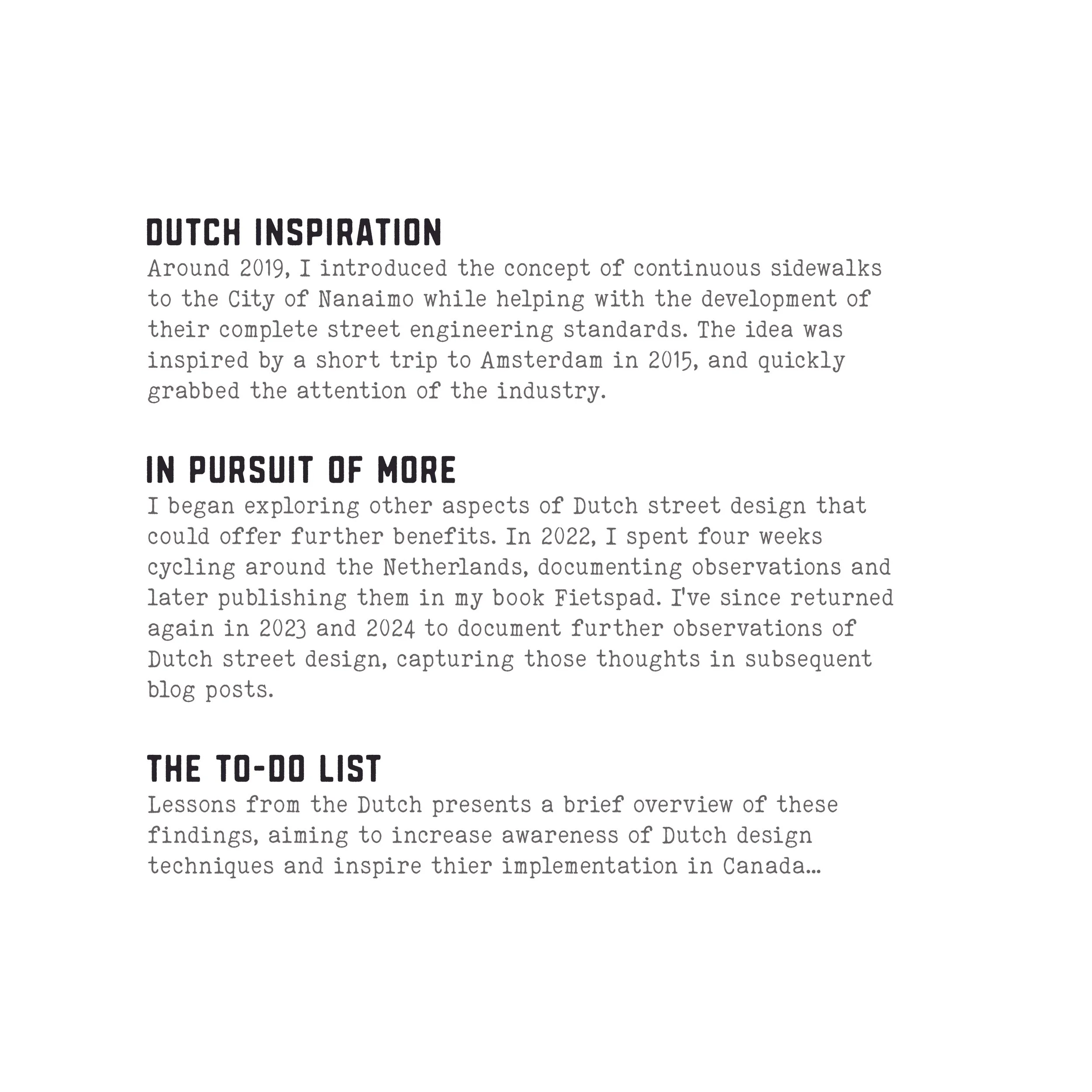
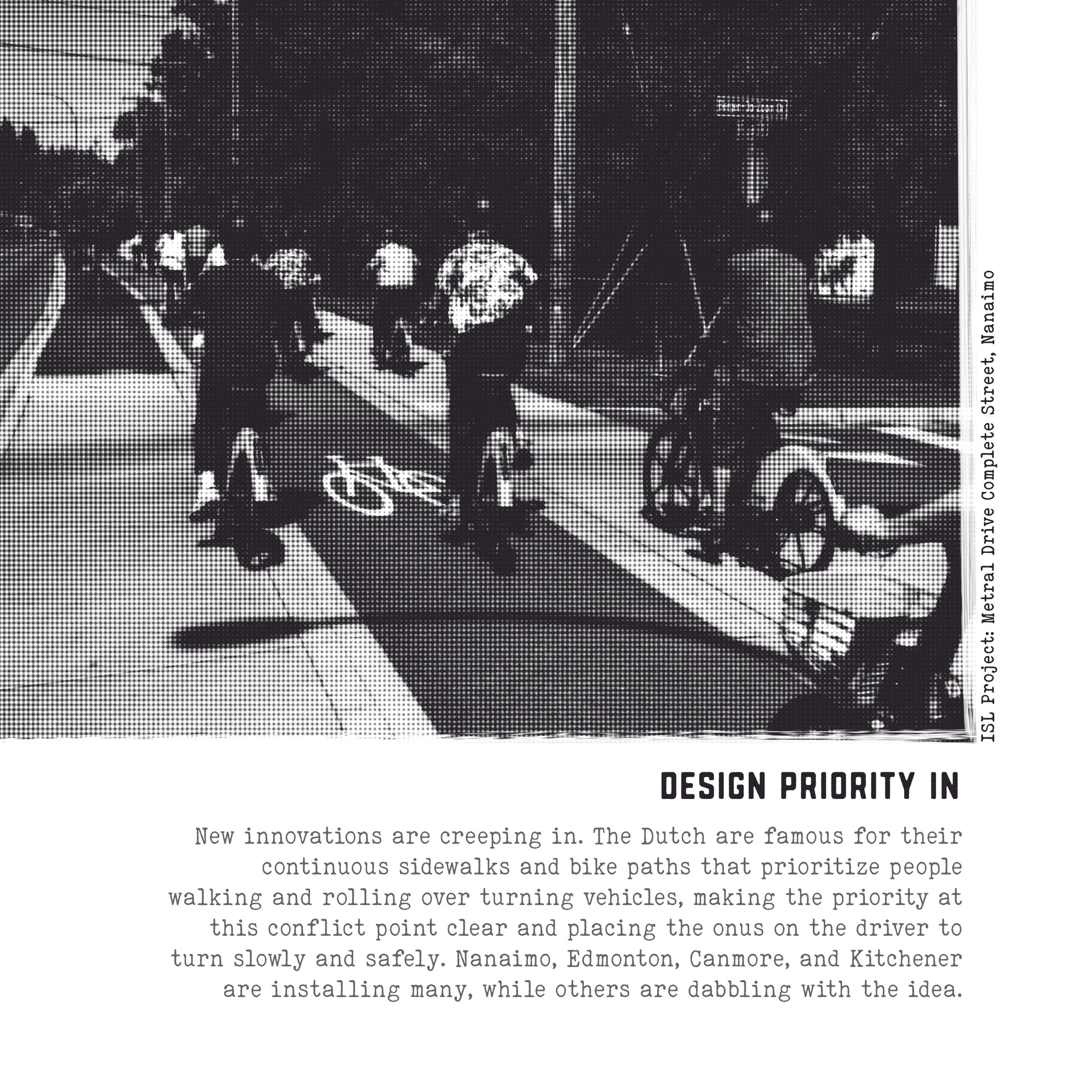
Around 2019, I introduced the concept of continuous sidewalks to the City of Nanaimo while helping with the development of their complete street engineering standards. The idea was inspired by a short trip to Amsterdam in 2015, and quickly grabbed the attention of the industry.
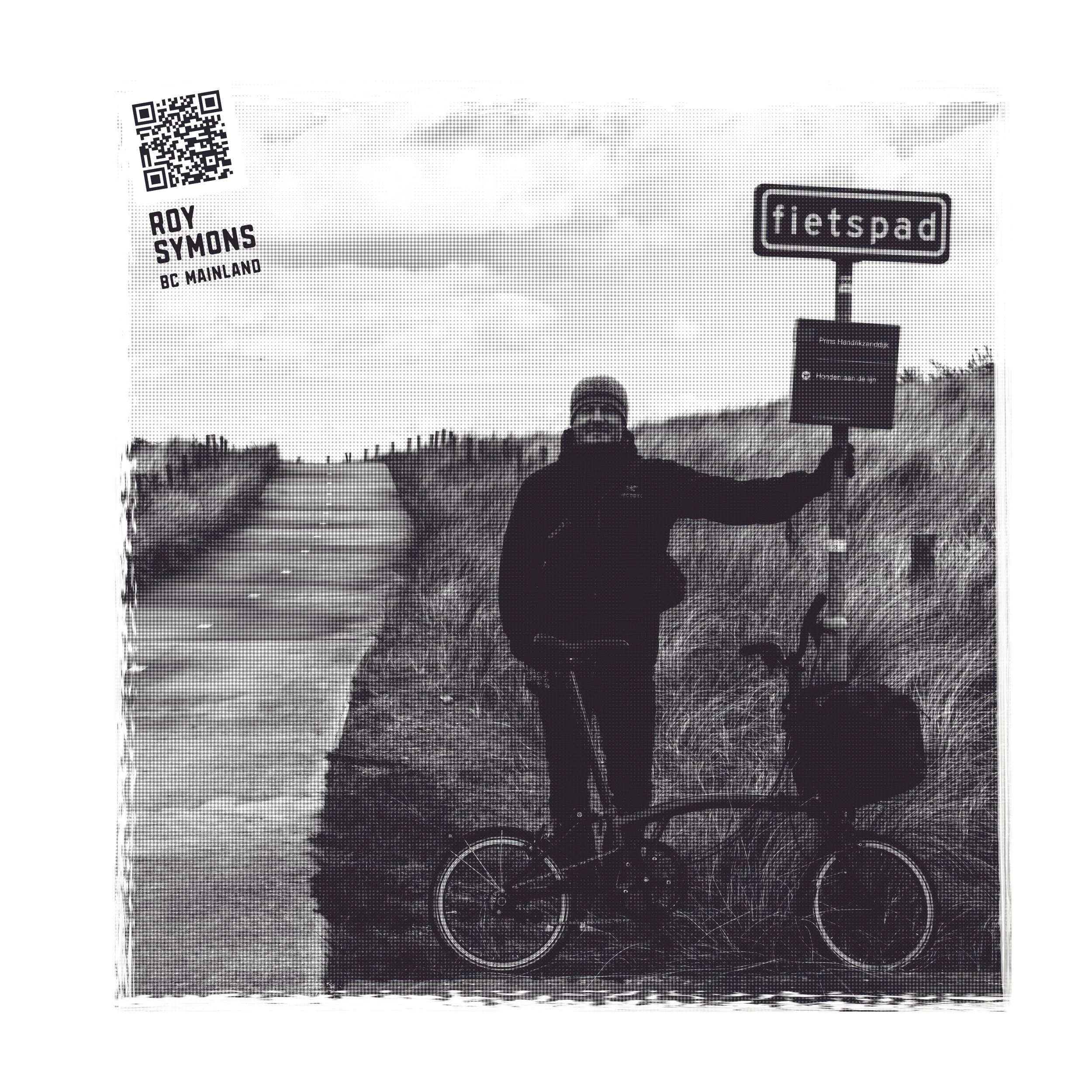
In pursuit of more, I began exploring other aspects of Dutch street design that could offer further benefits. In 2022, I spent four weeks cycling around the Netherlands, documenting observations and later publishing them in my book Fietspad. I’ve returned every year since to document further observations of Dutch street design, capturing those thoughts in subsequent blog posts.
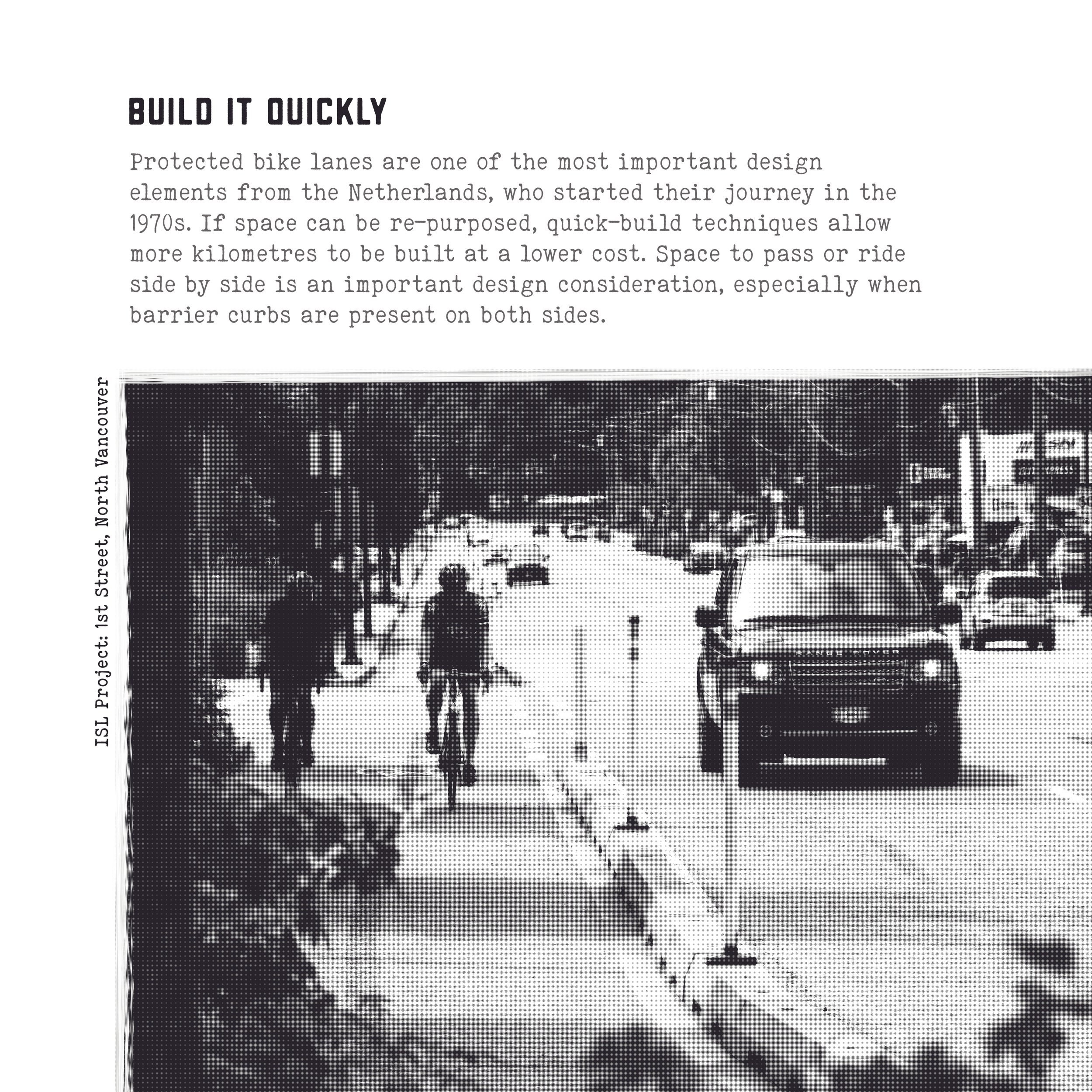
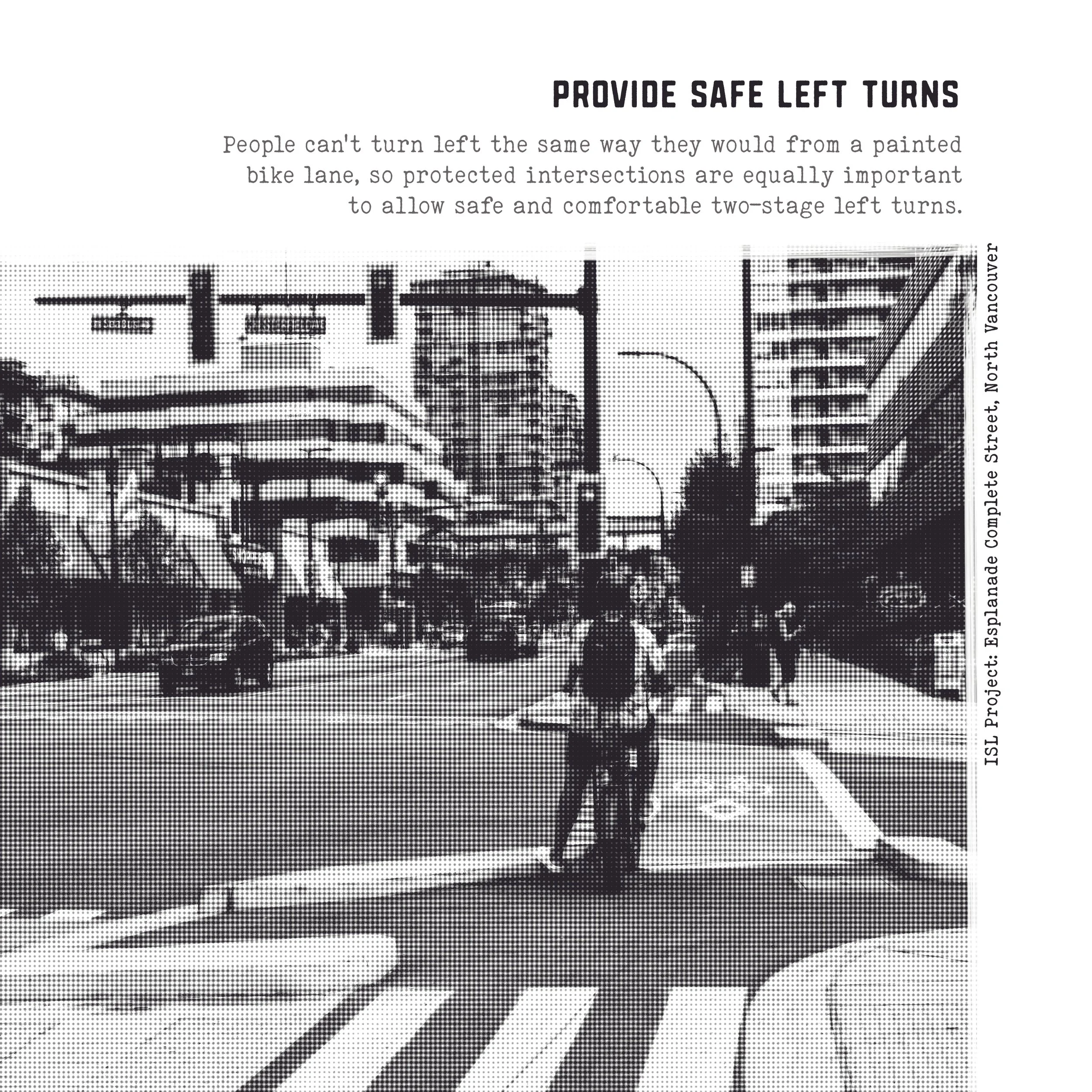
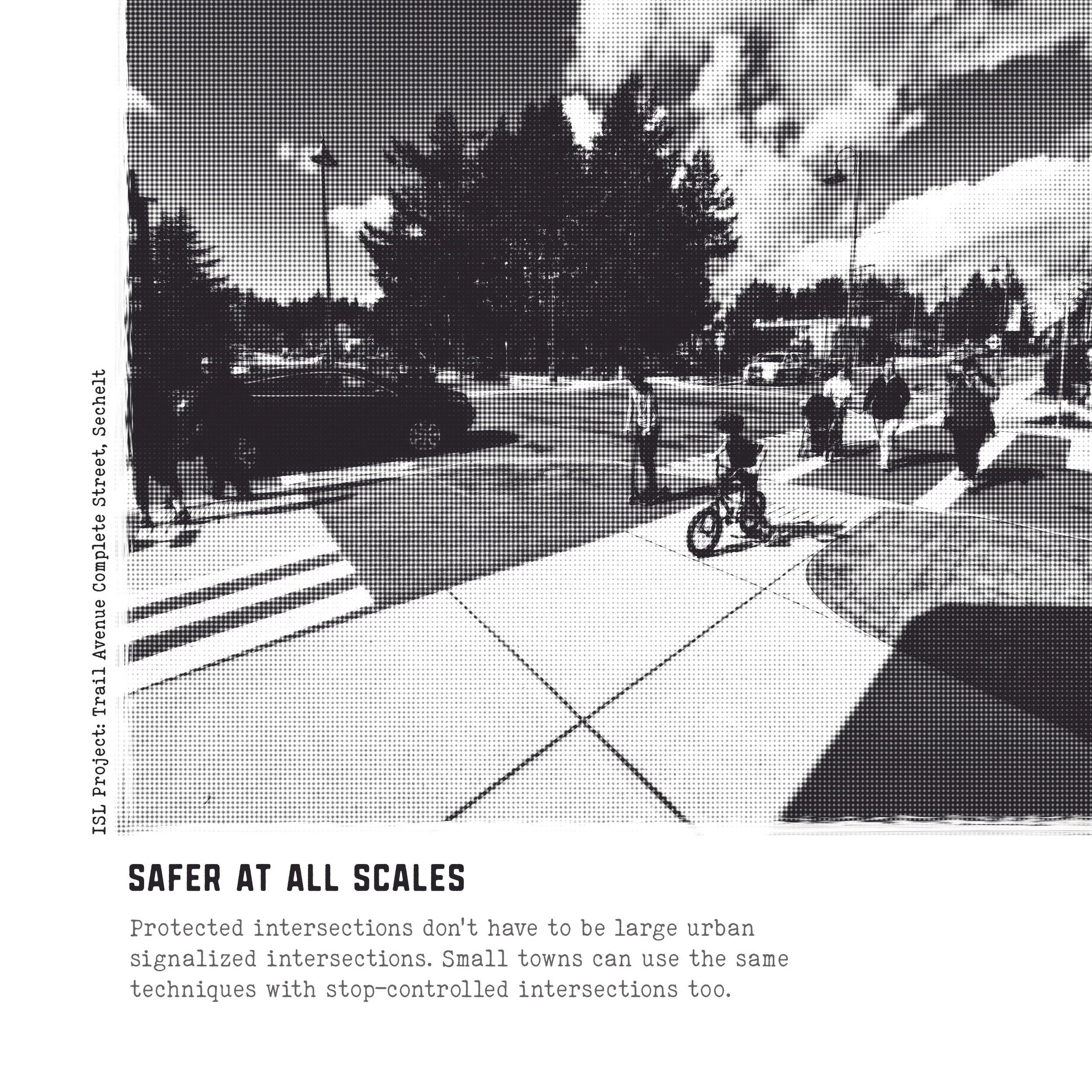
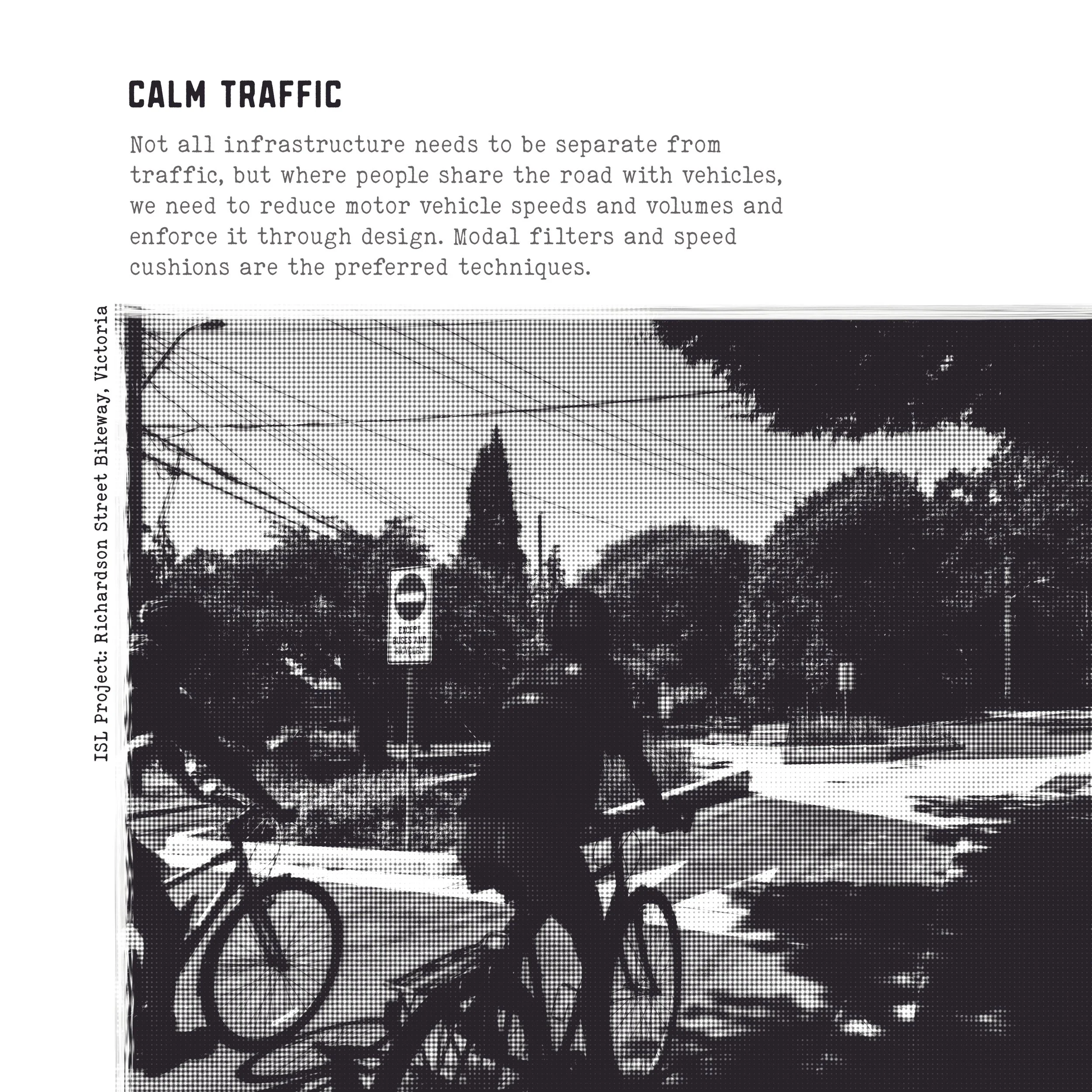
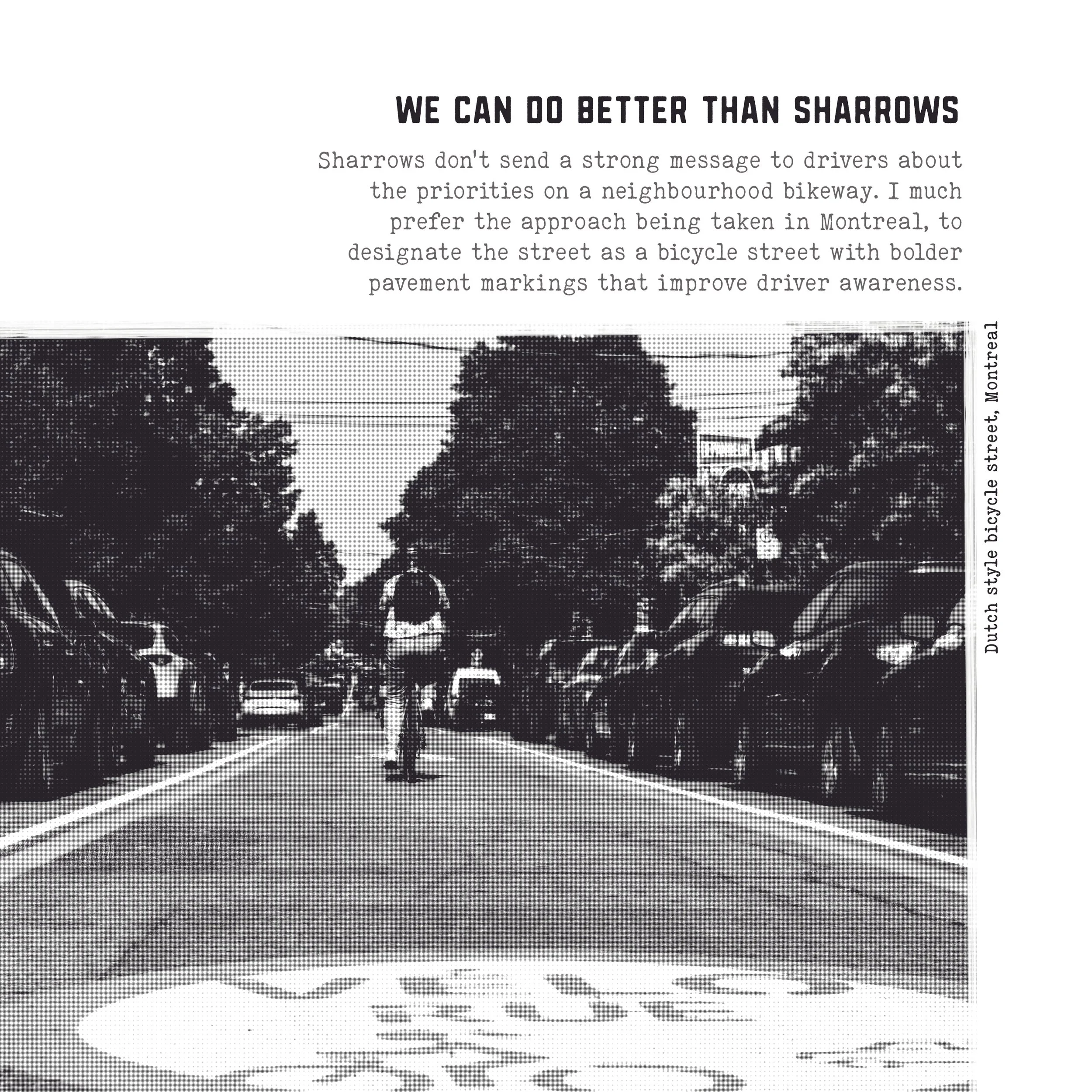
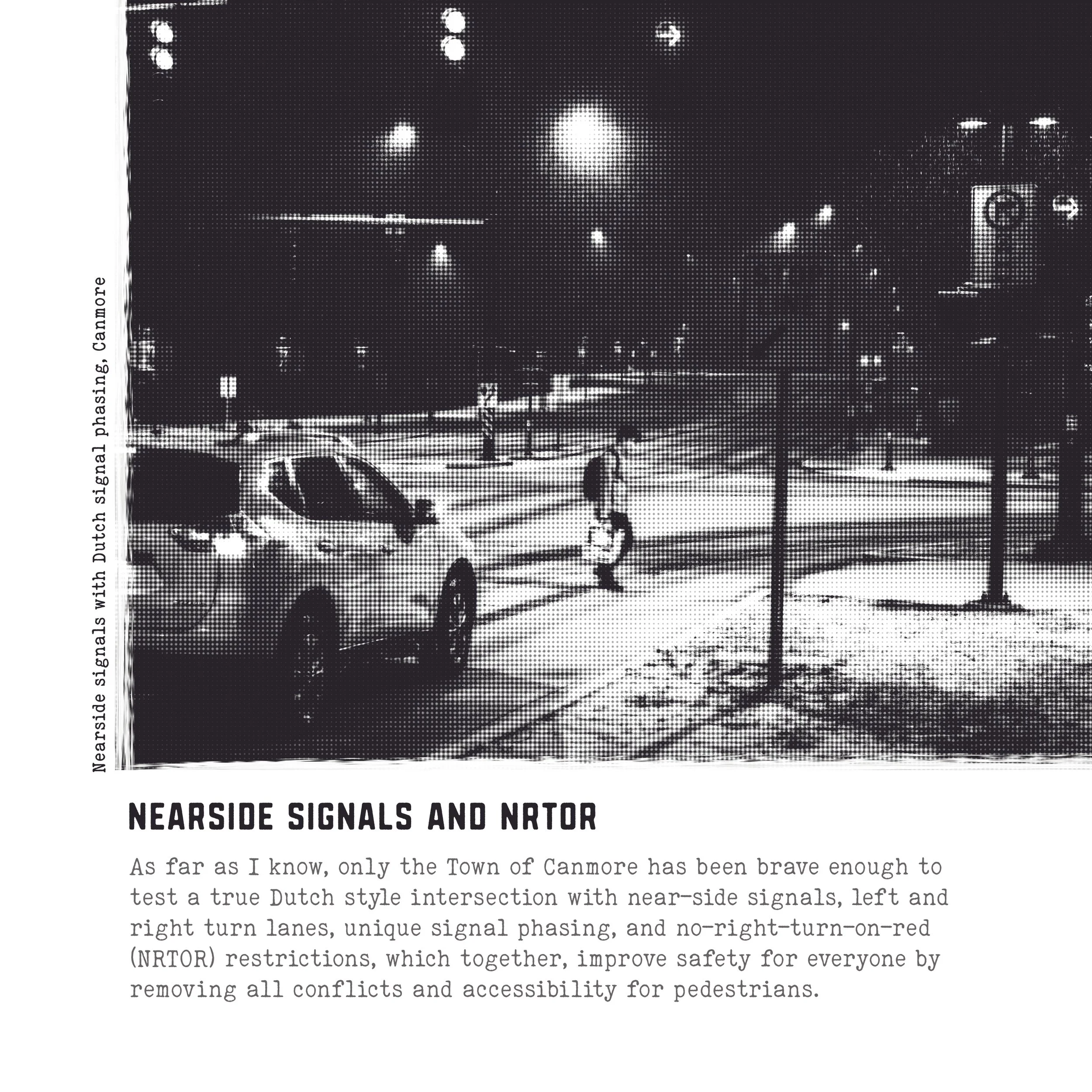
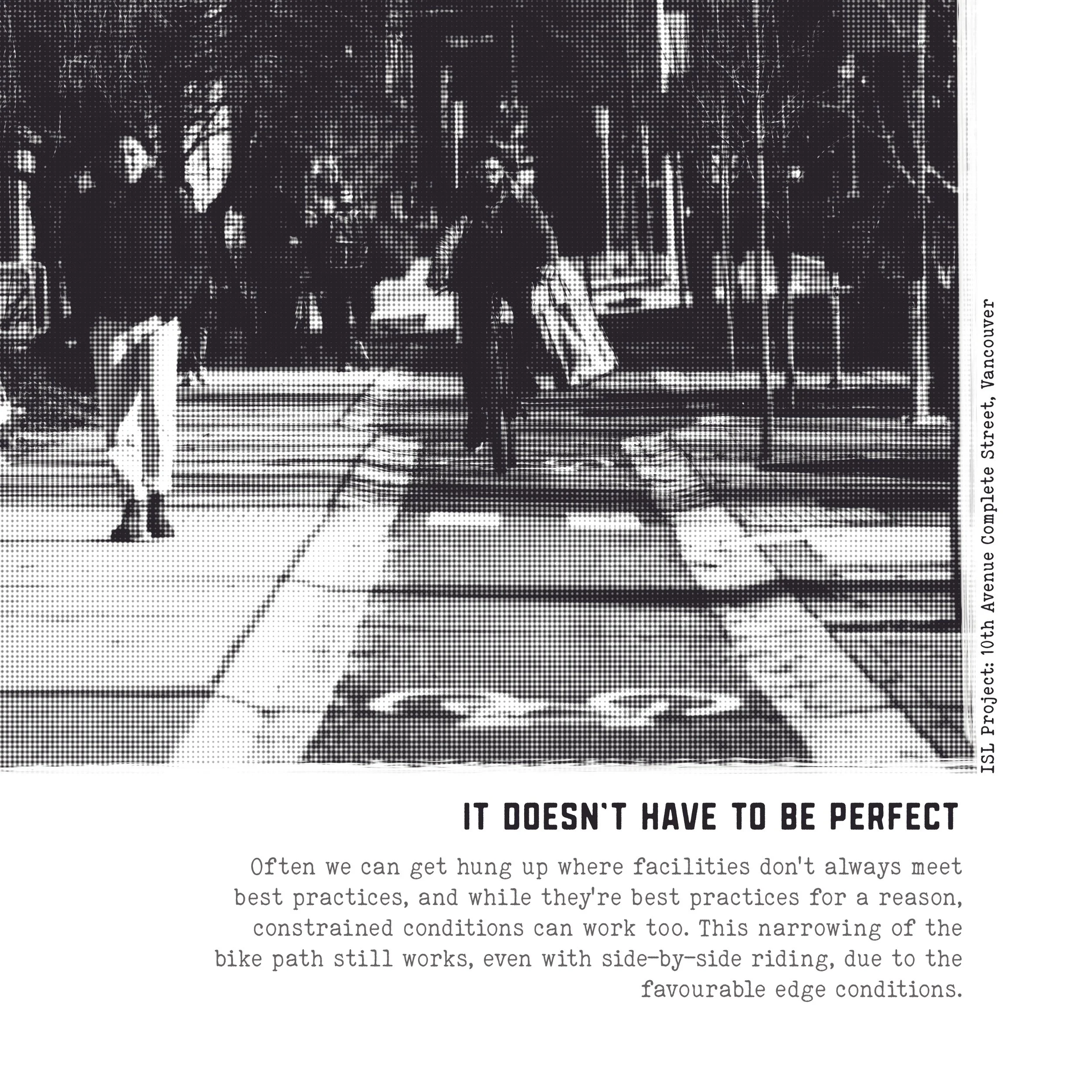
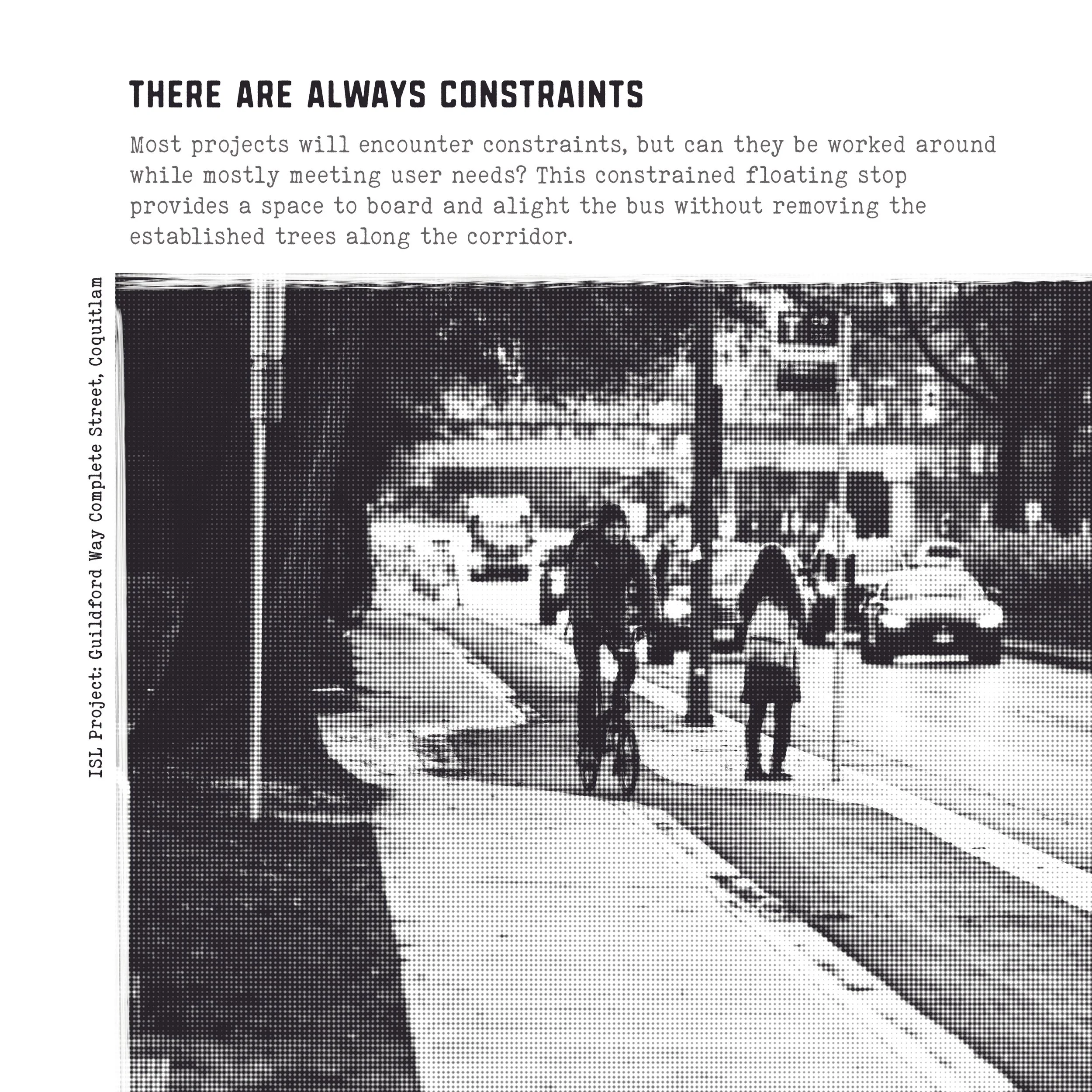
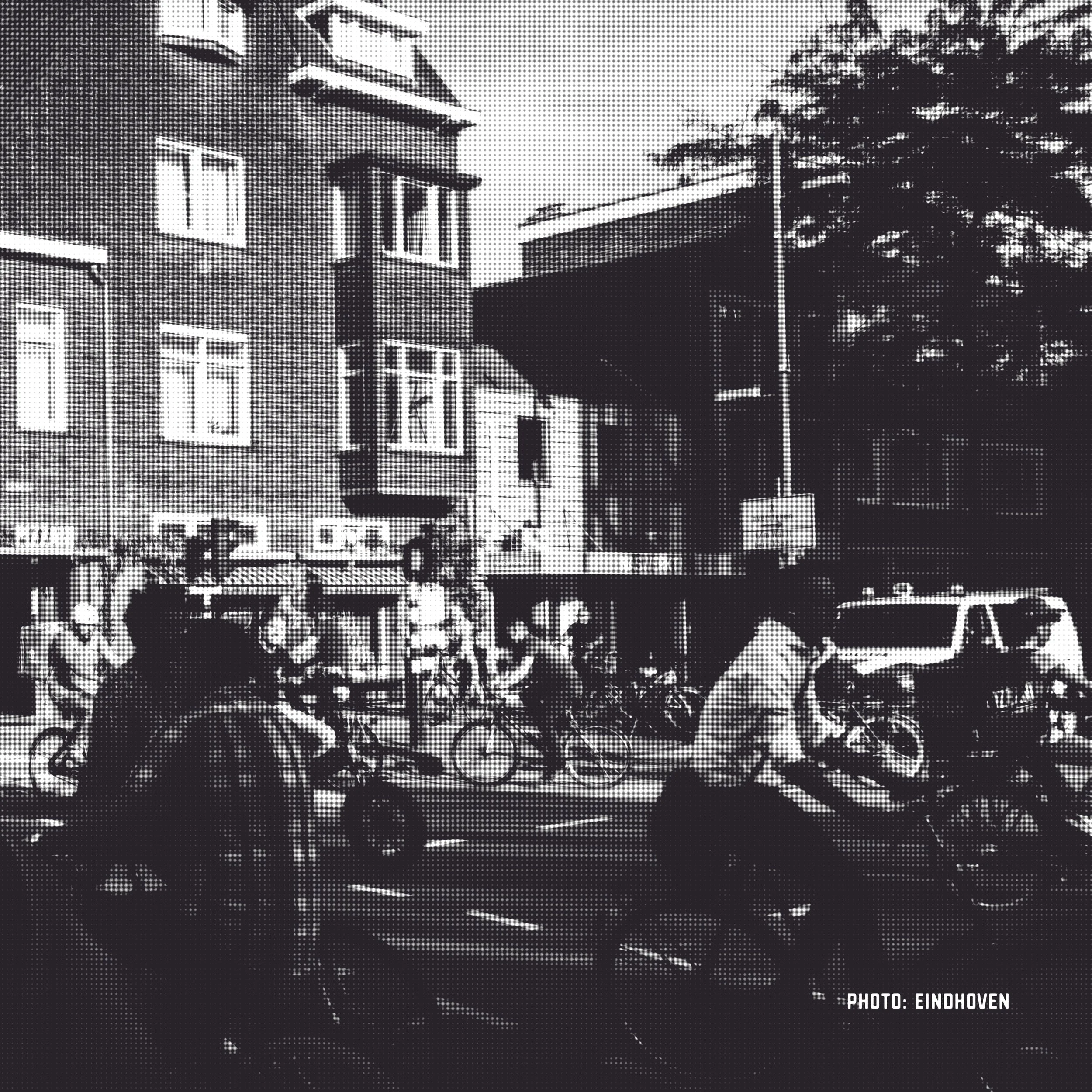
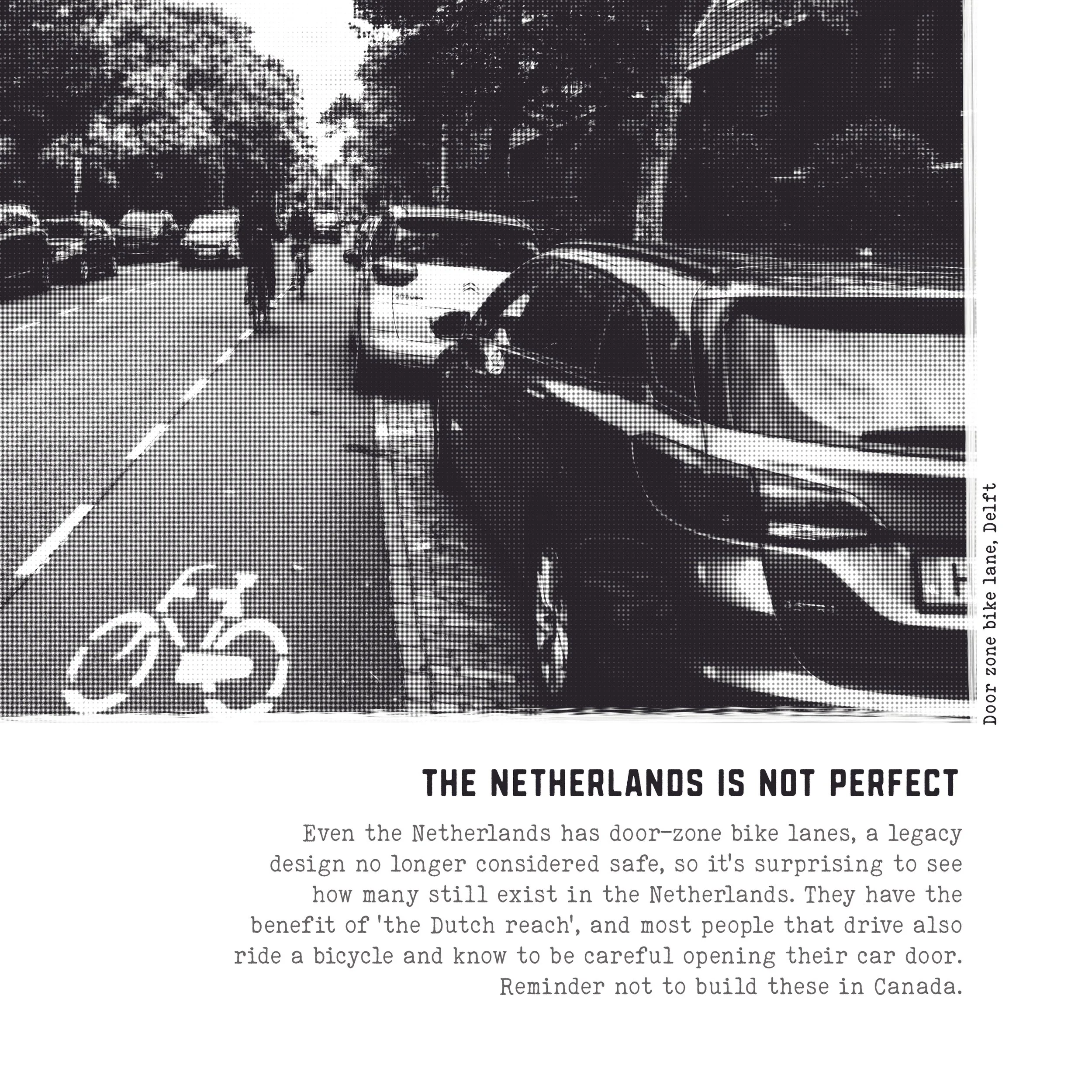
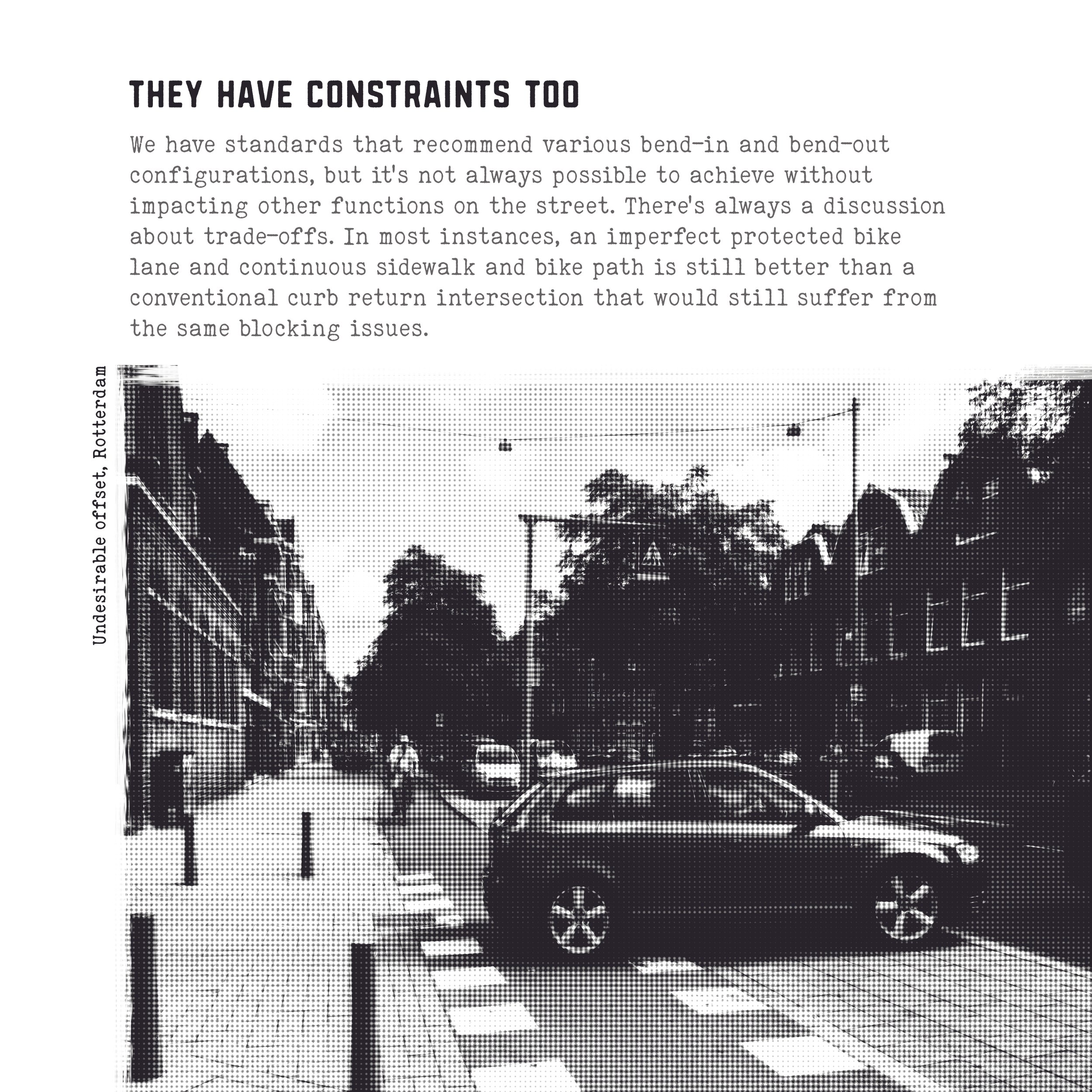
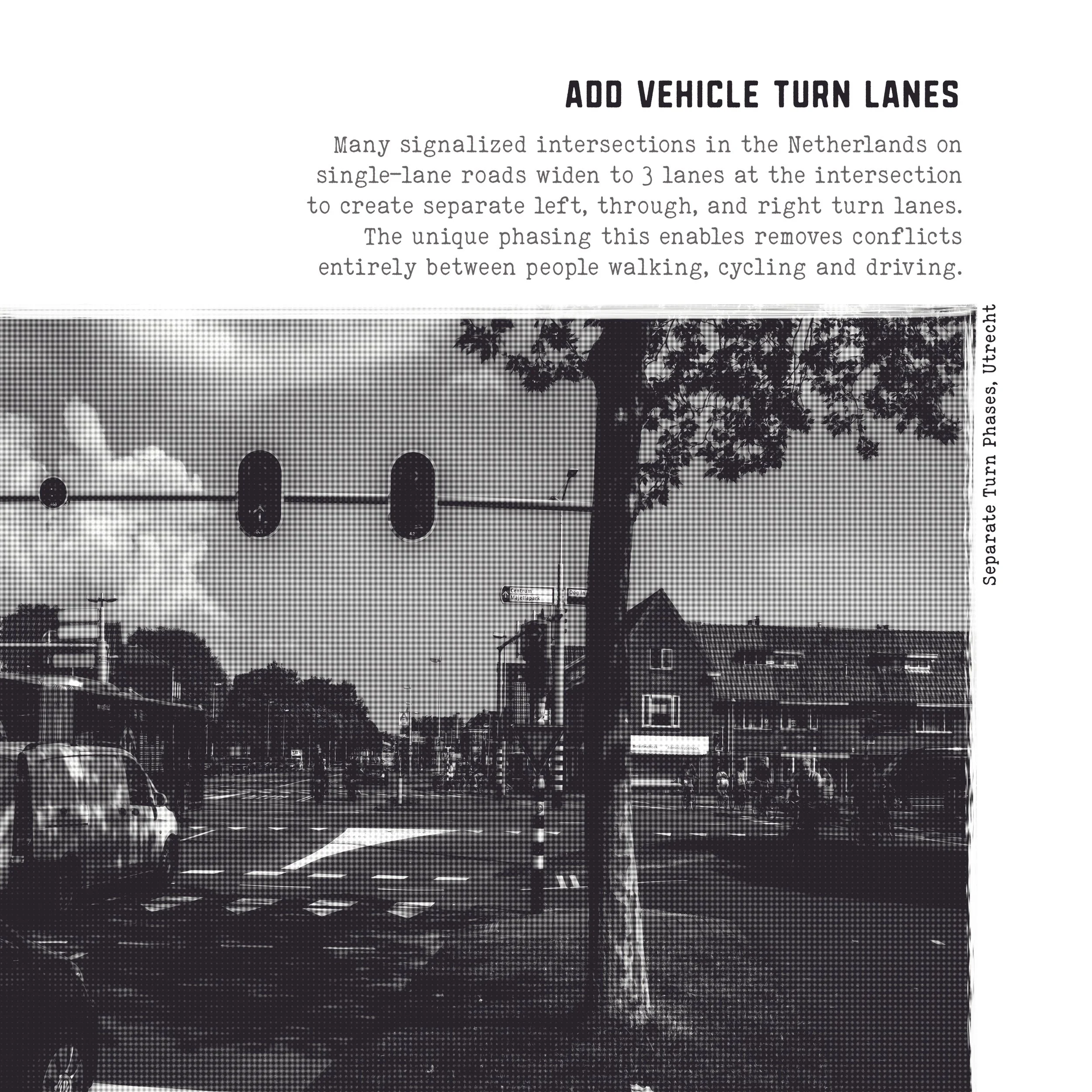
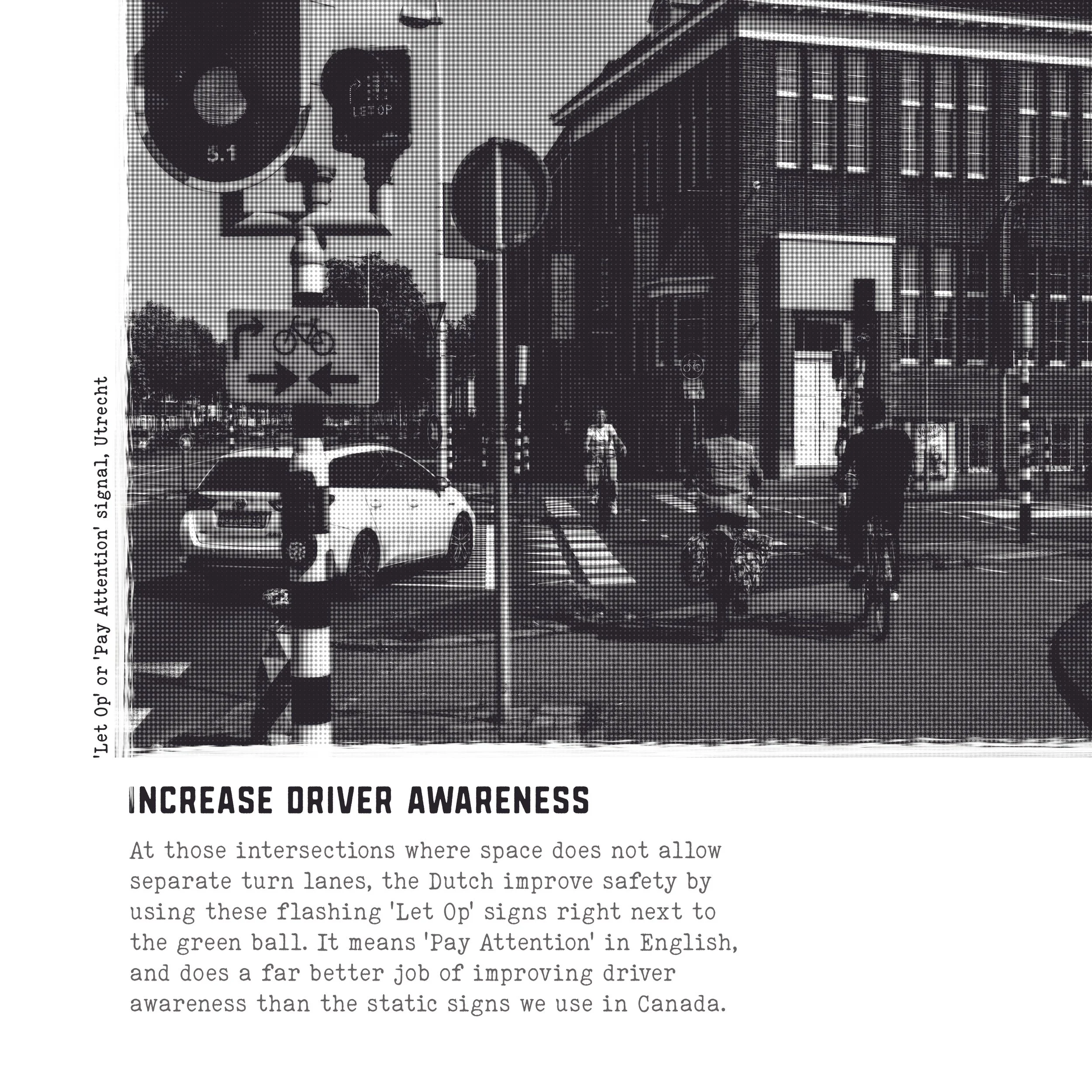
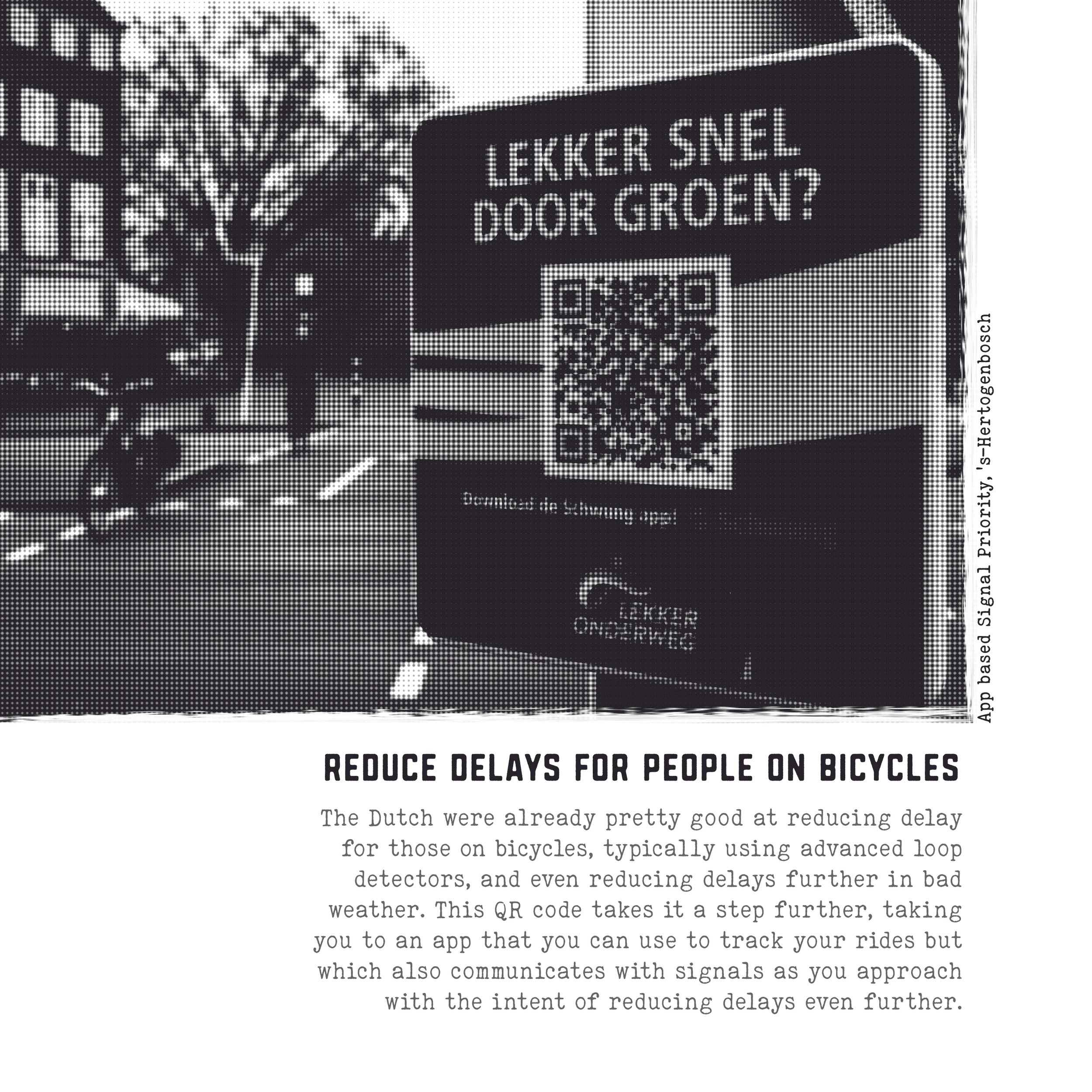
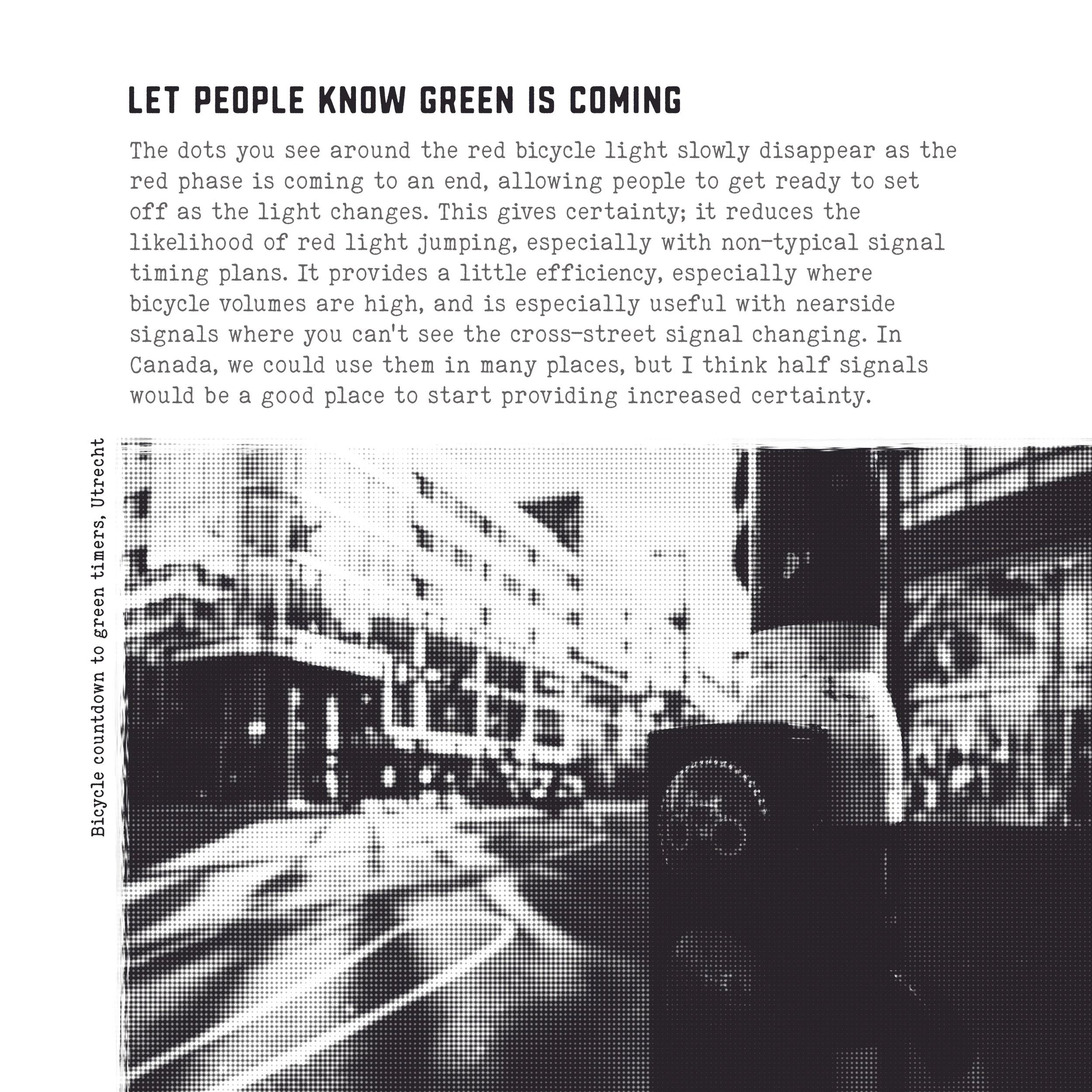
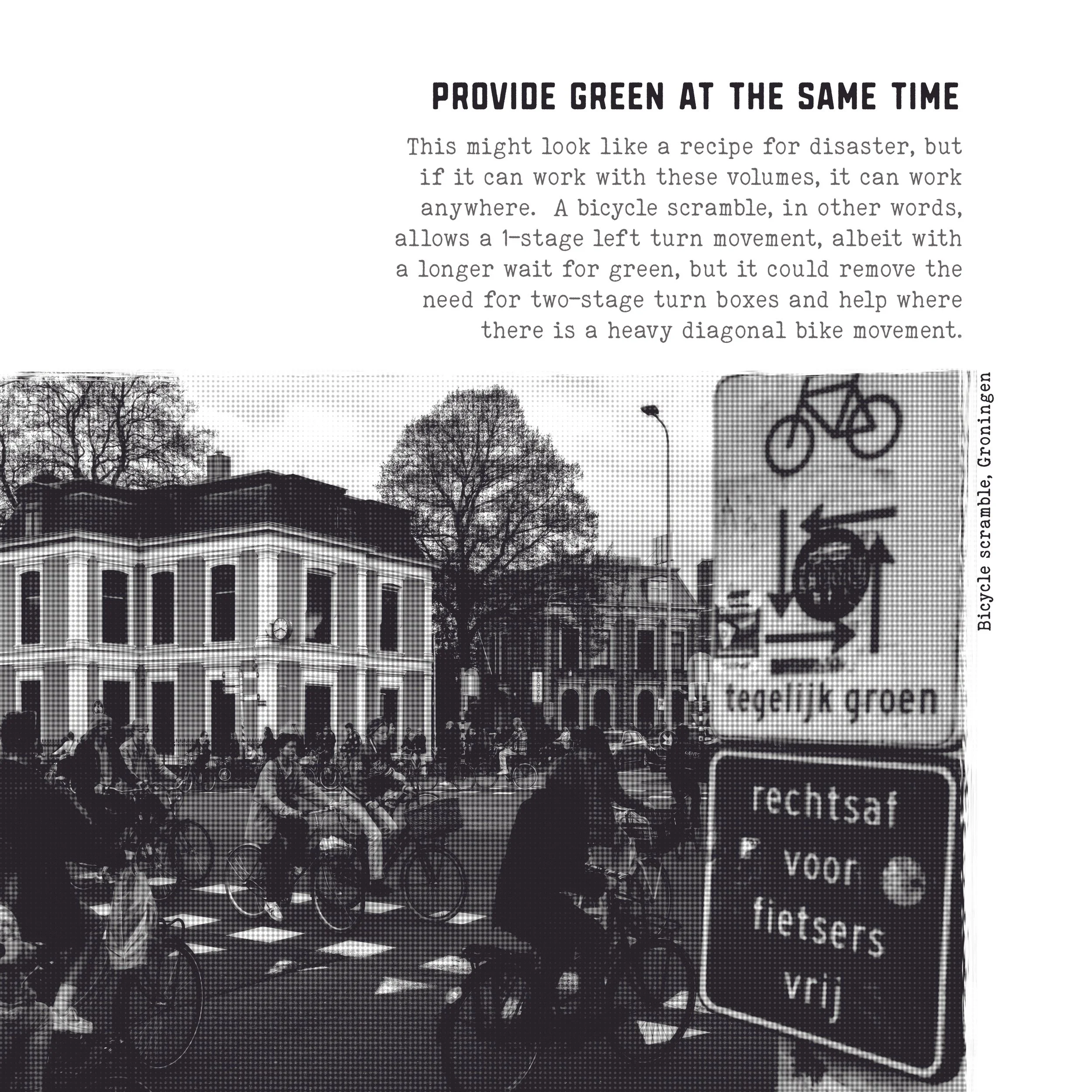
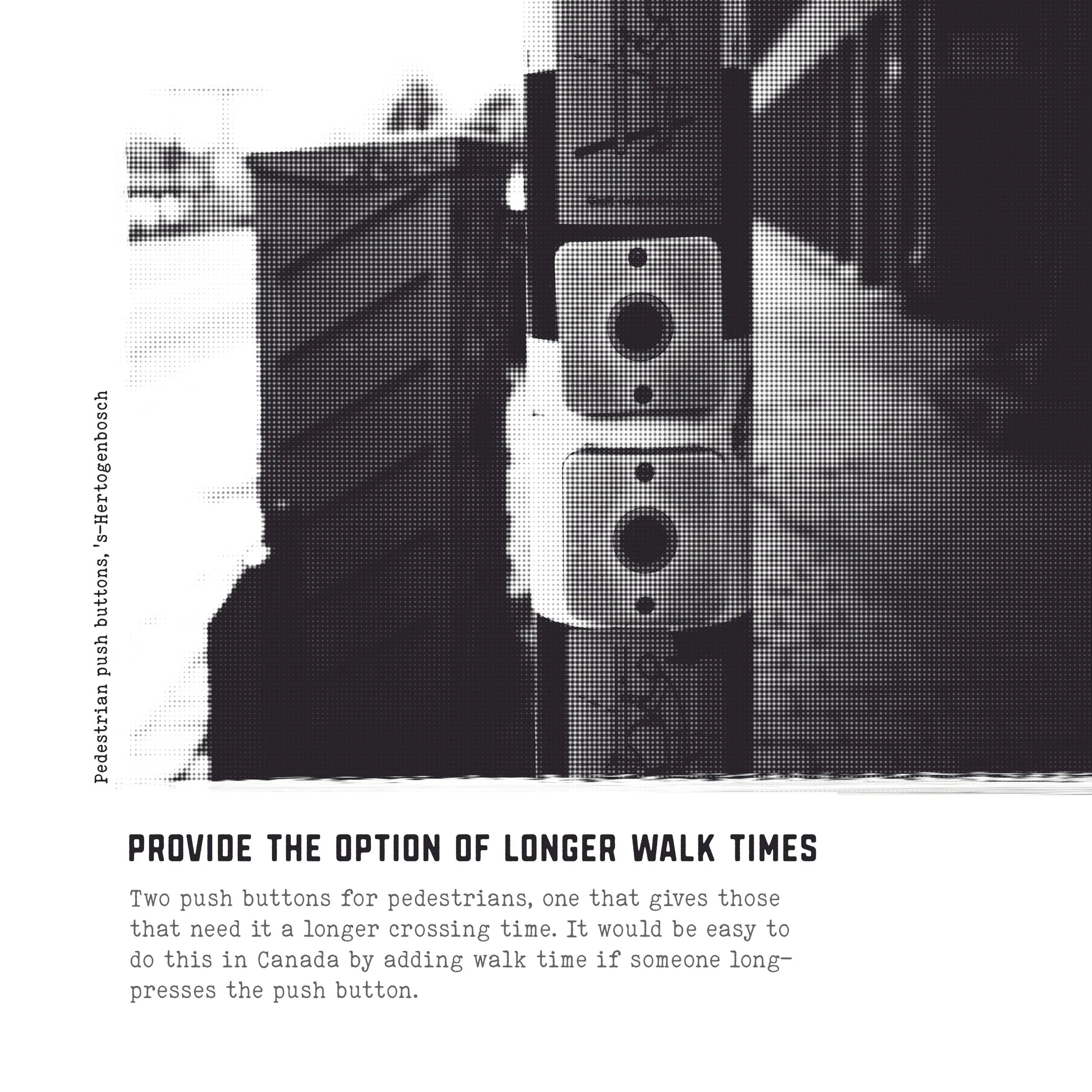
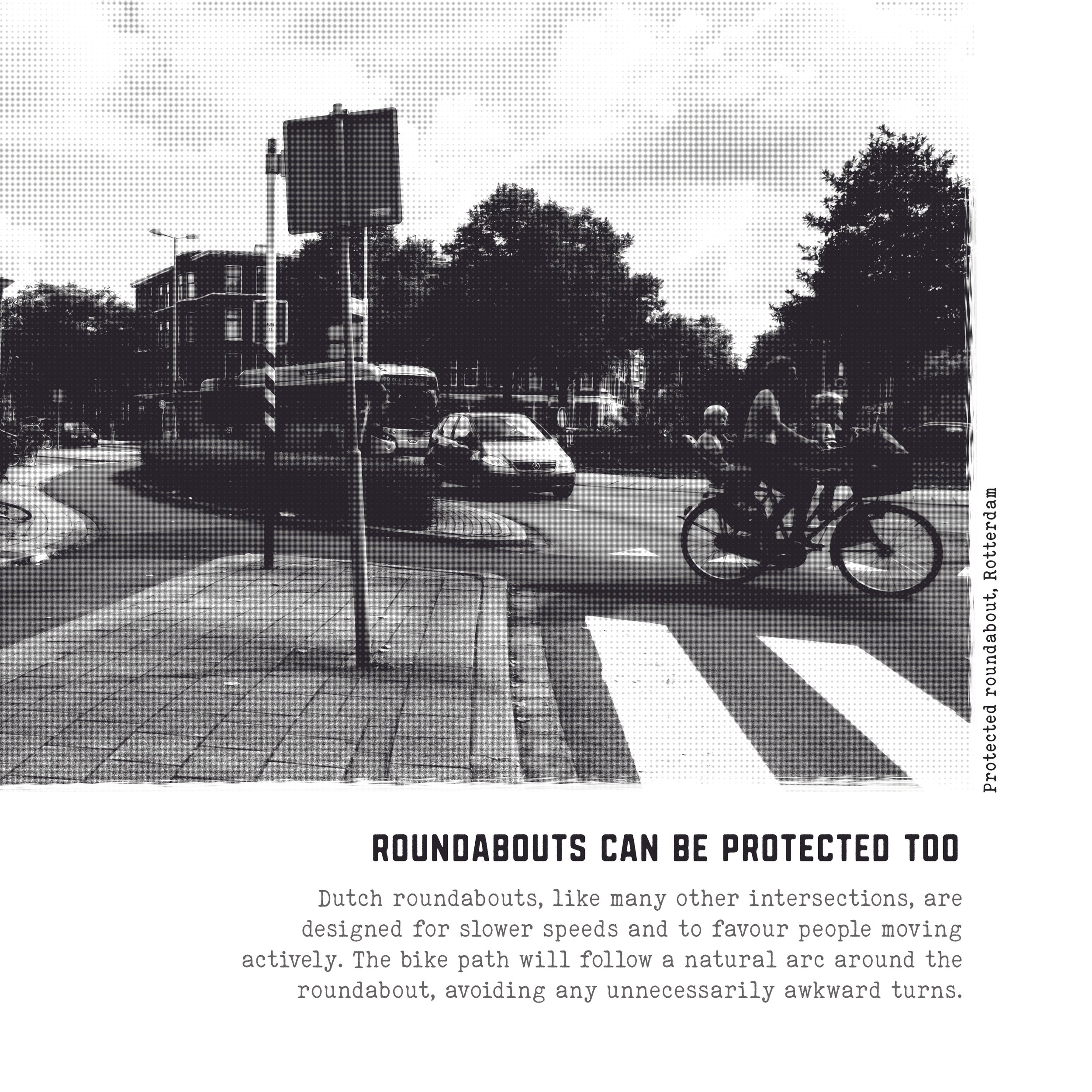
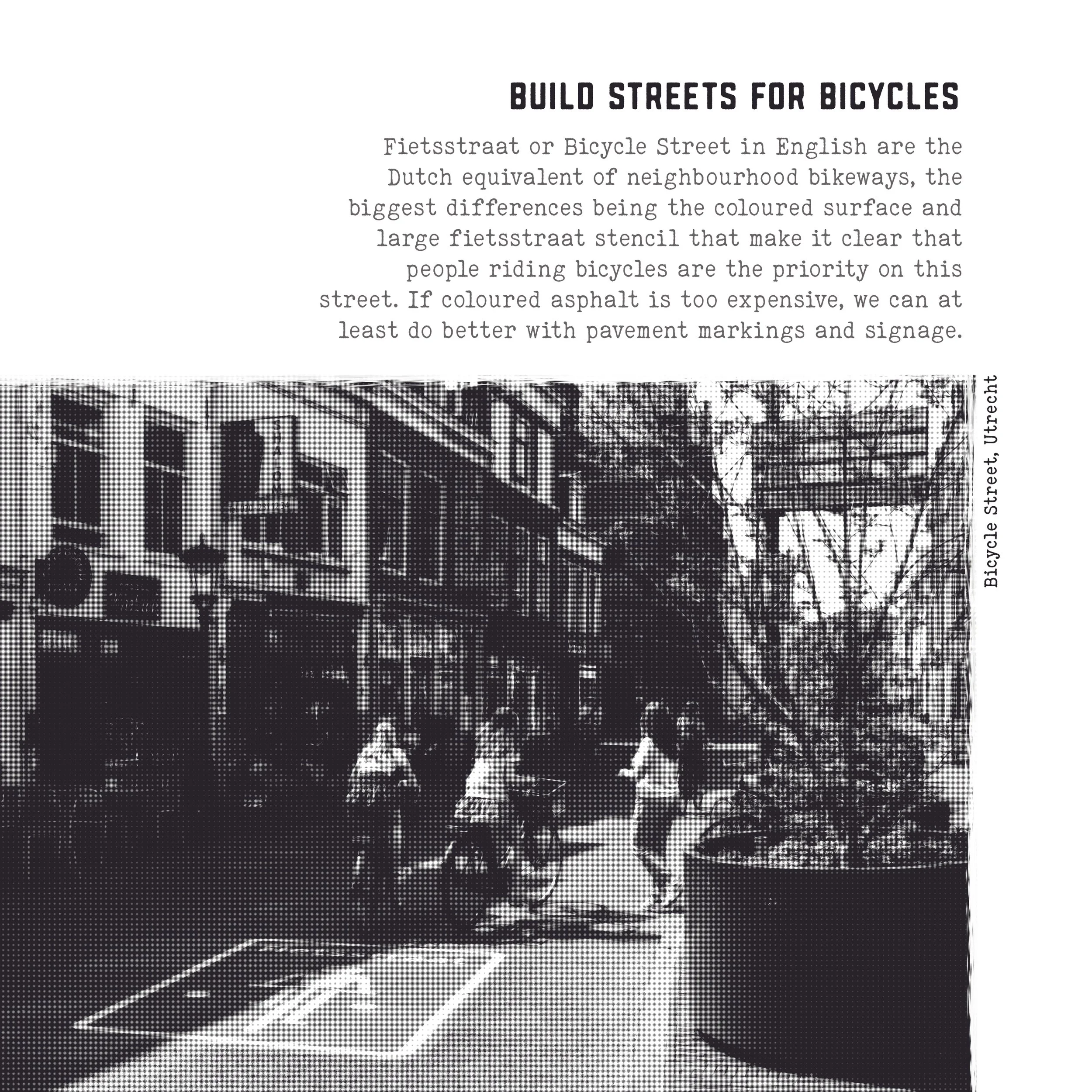
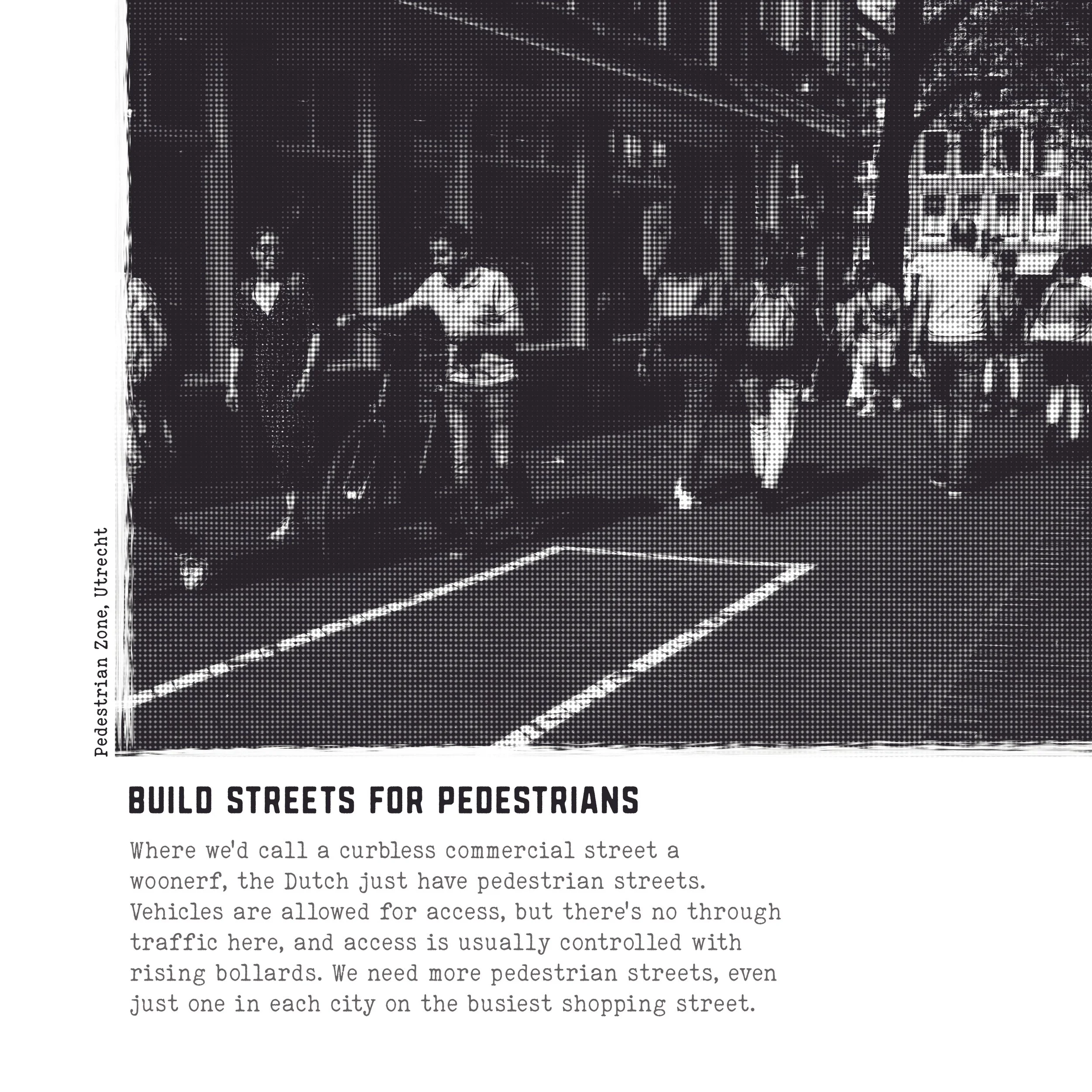
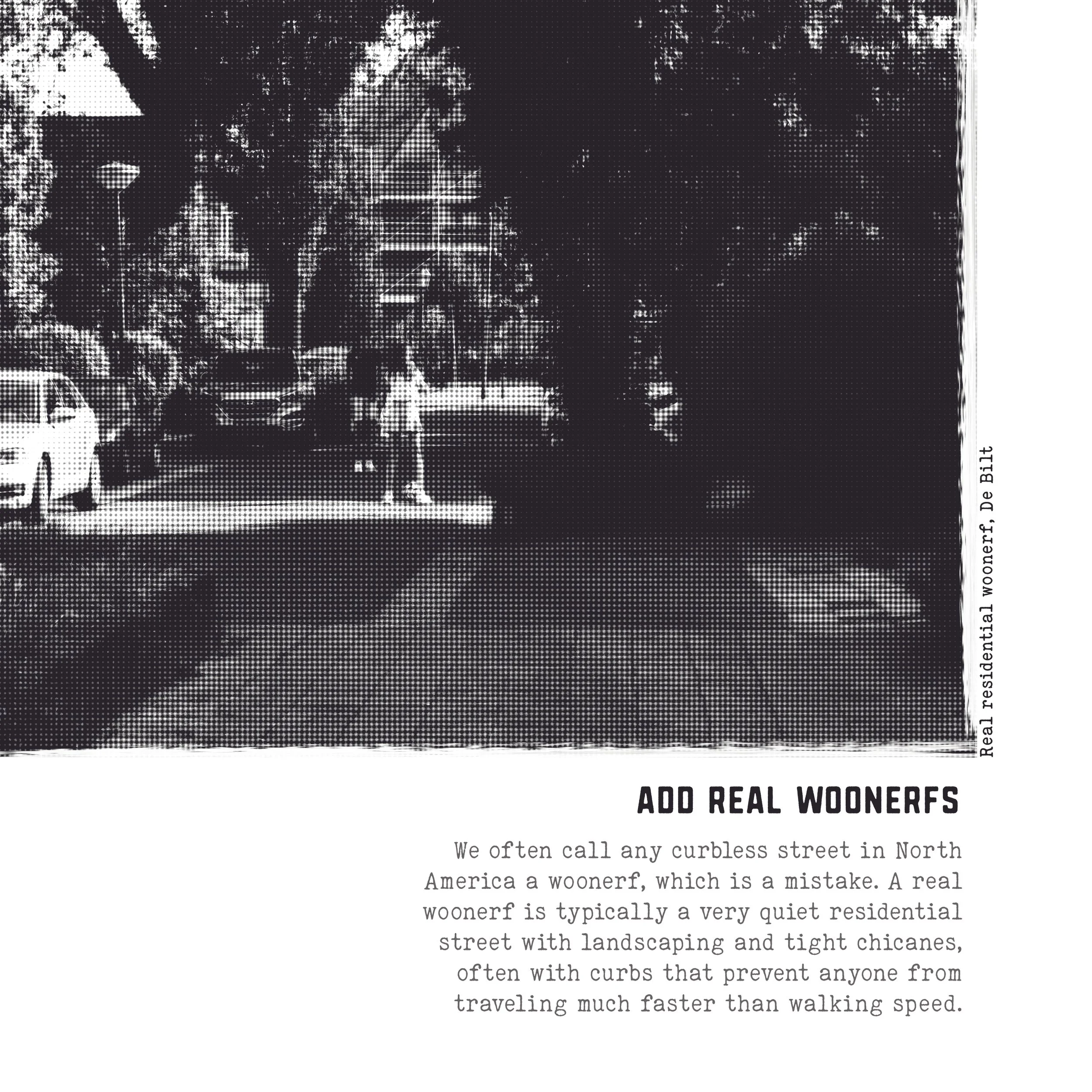
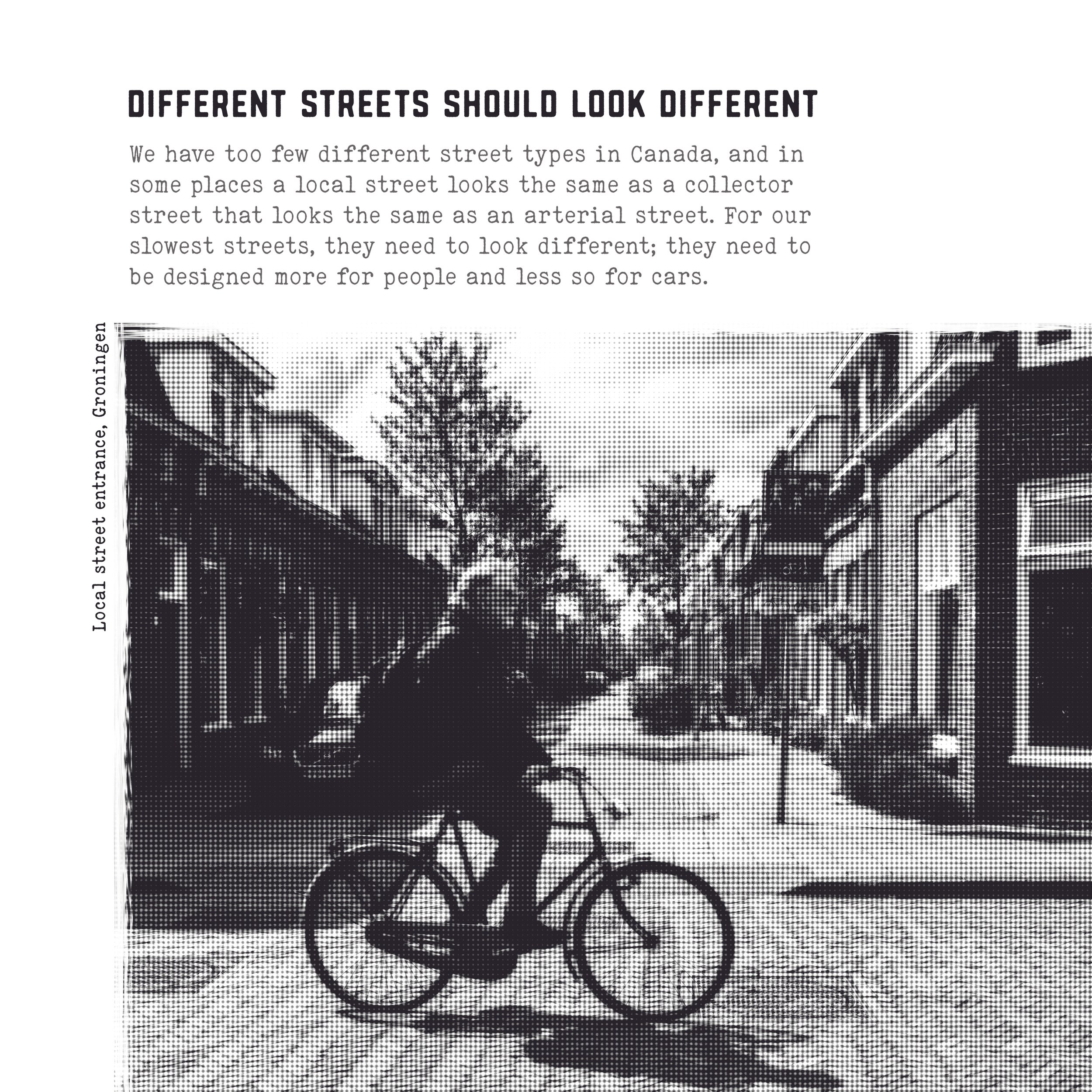
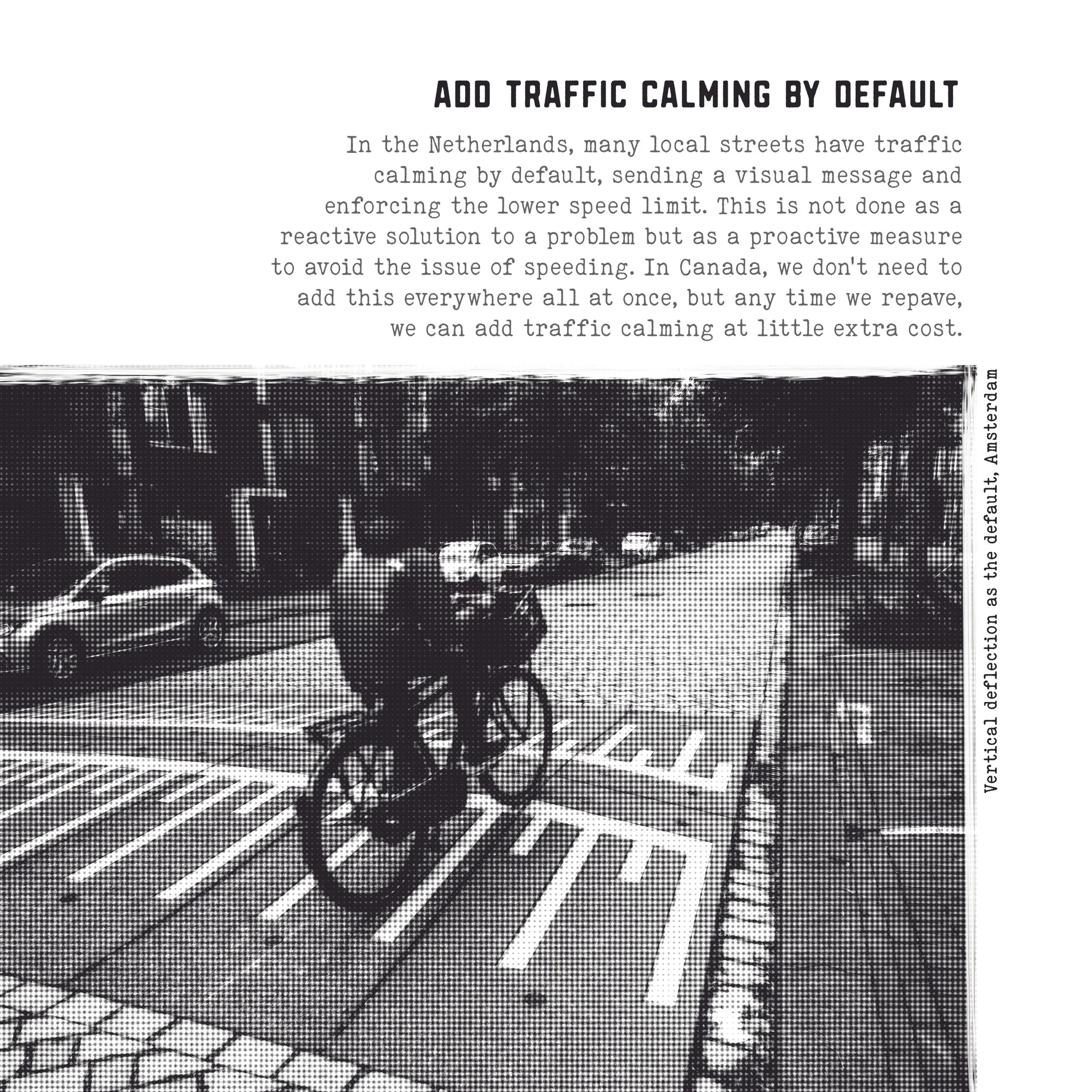
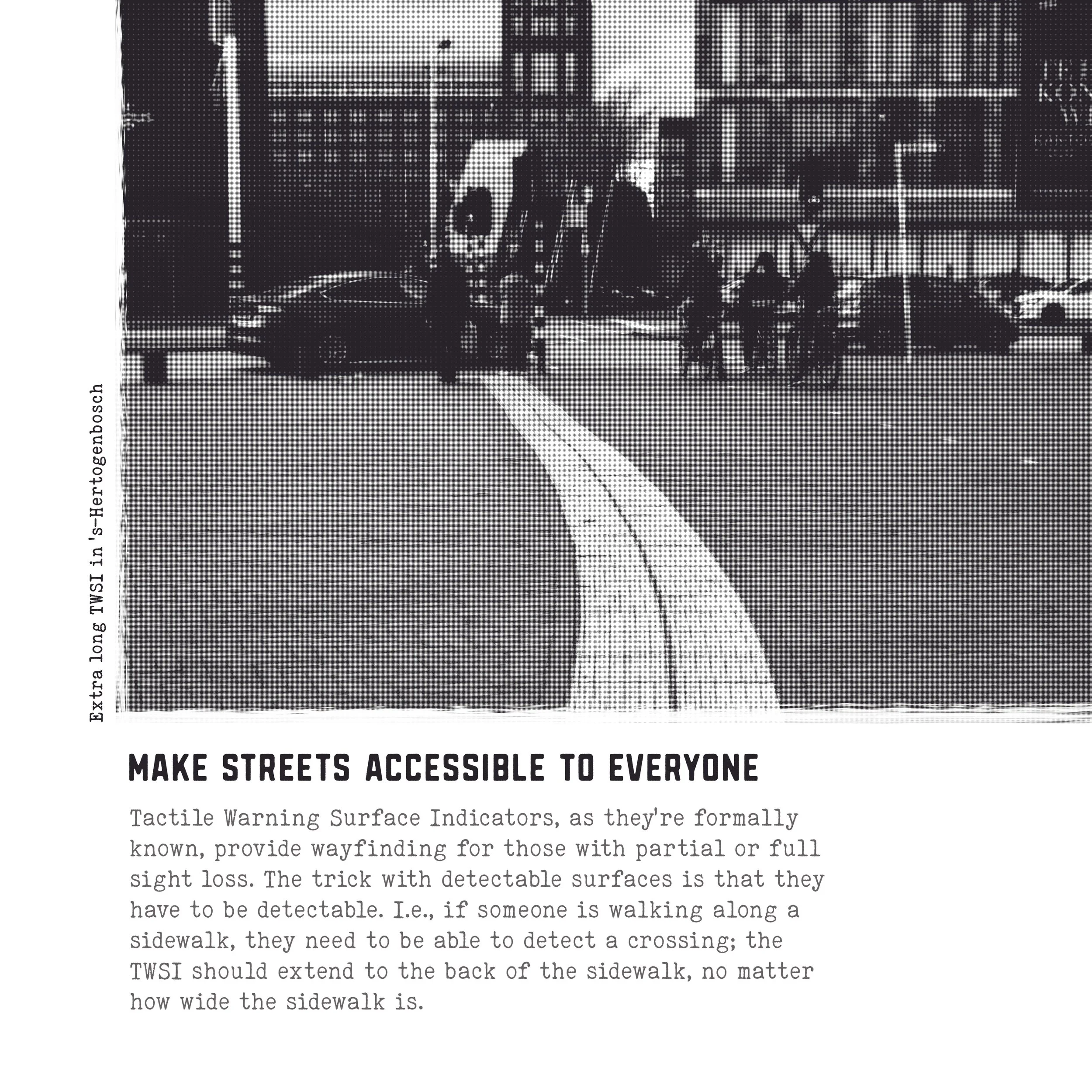
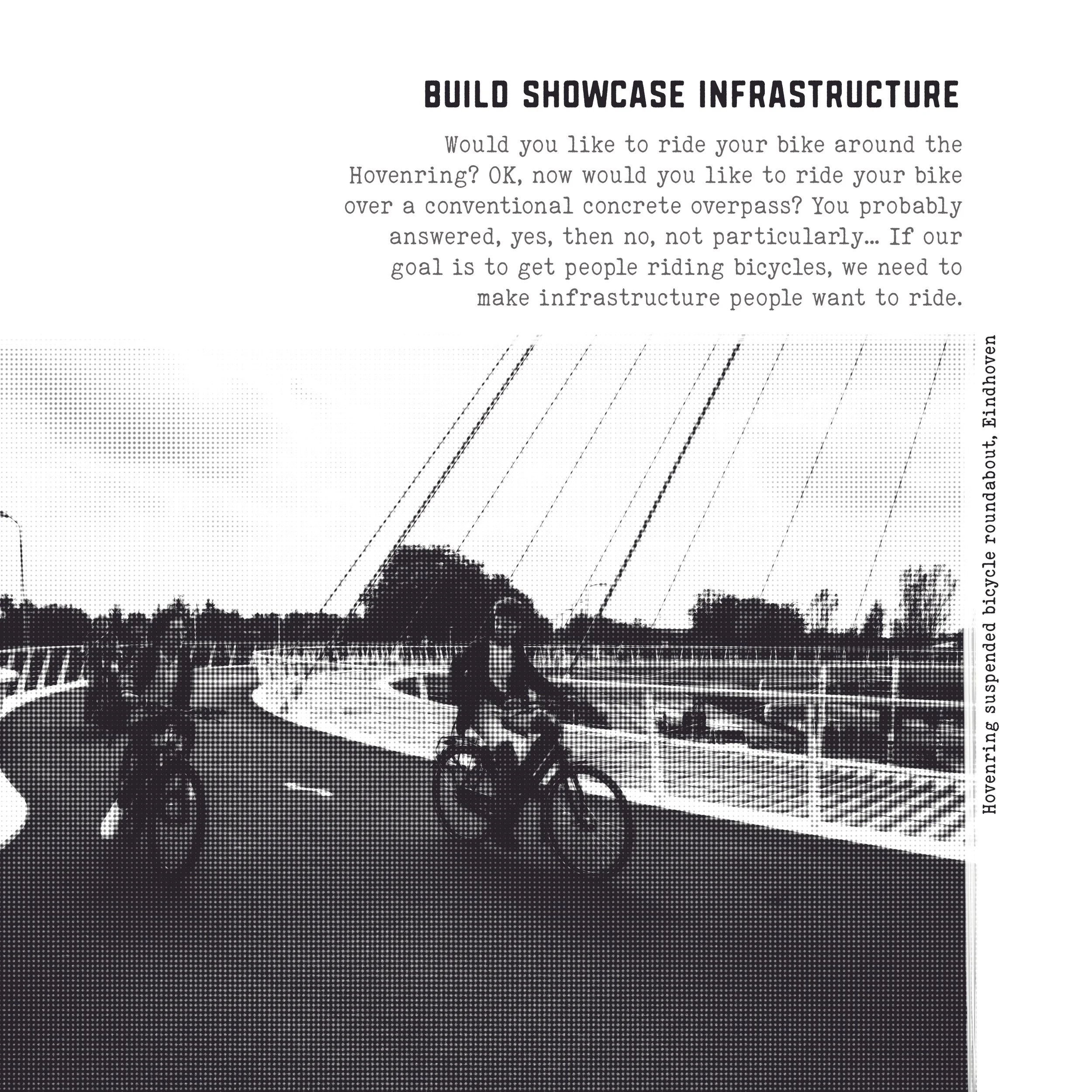
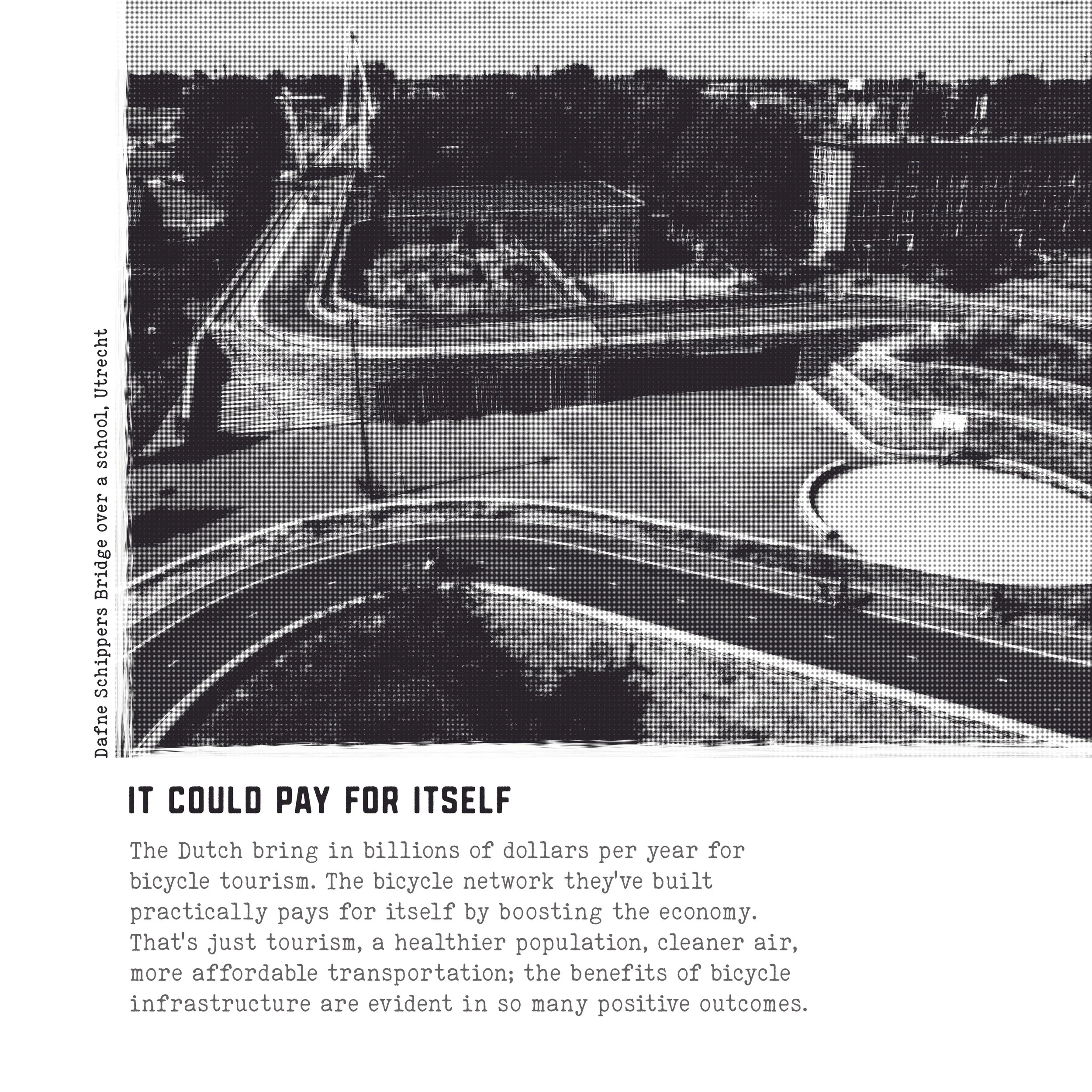
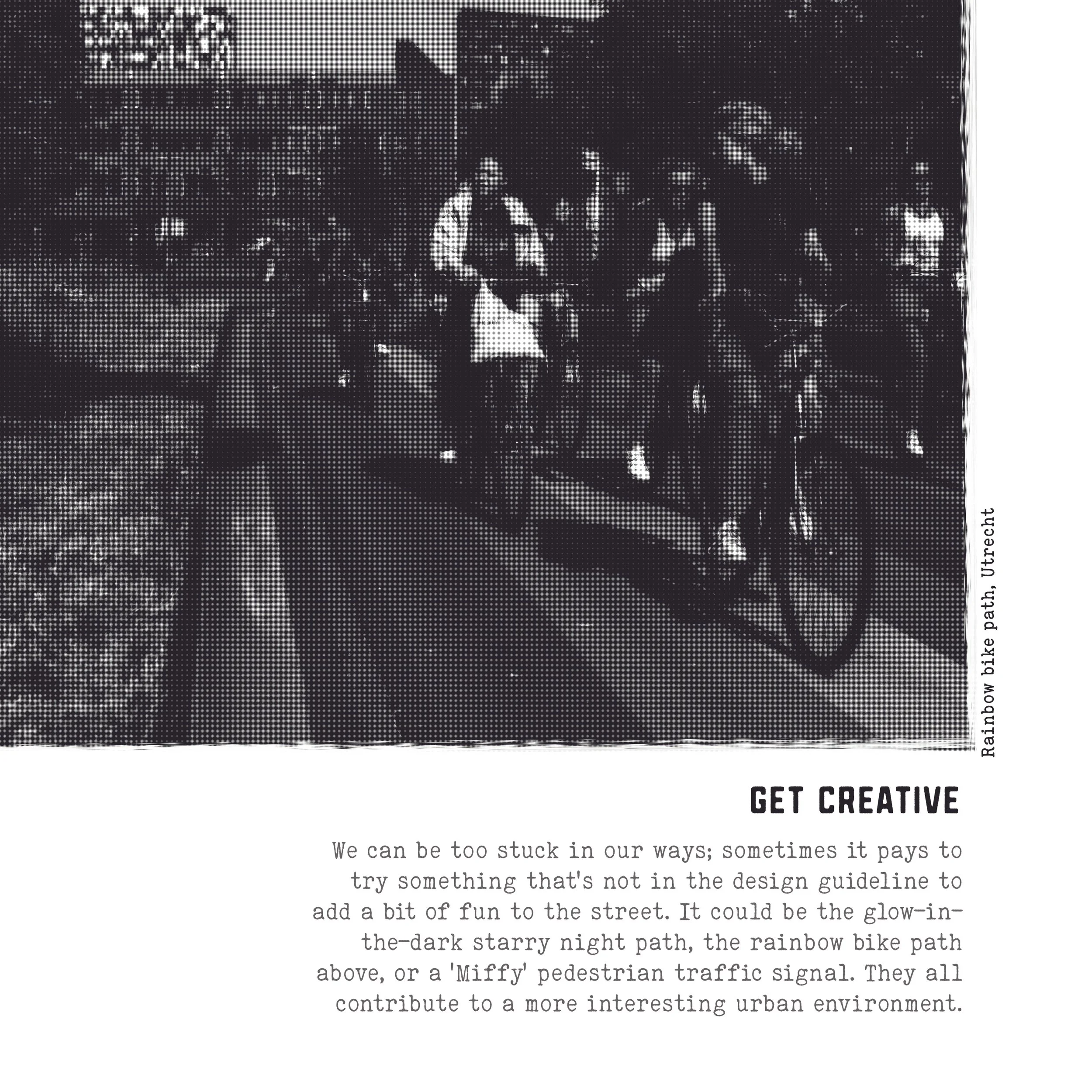
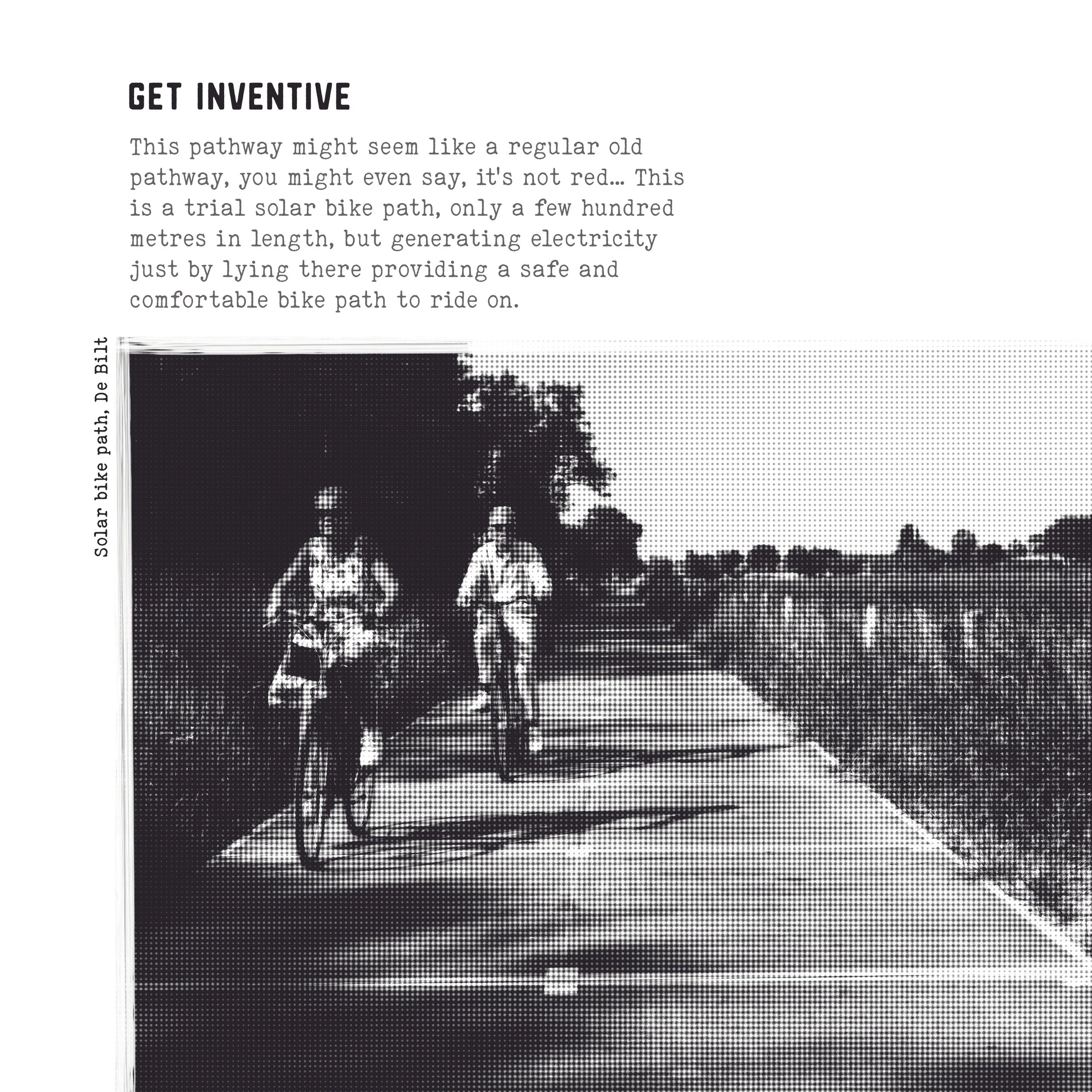
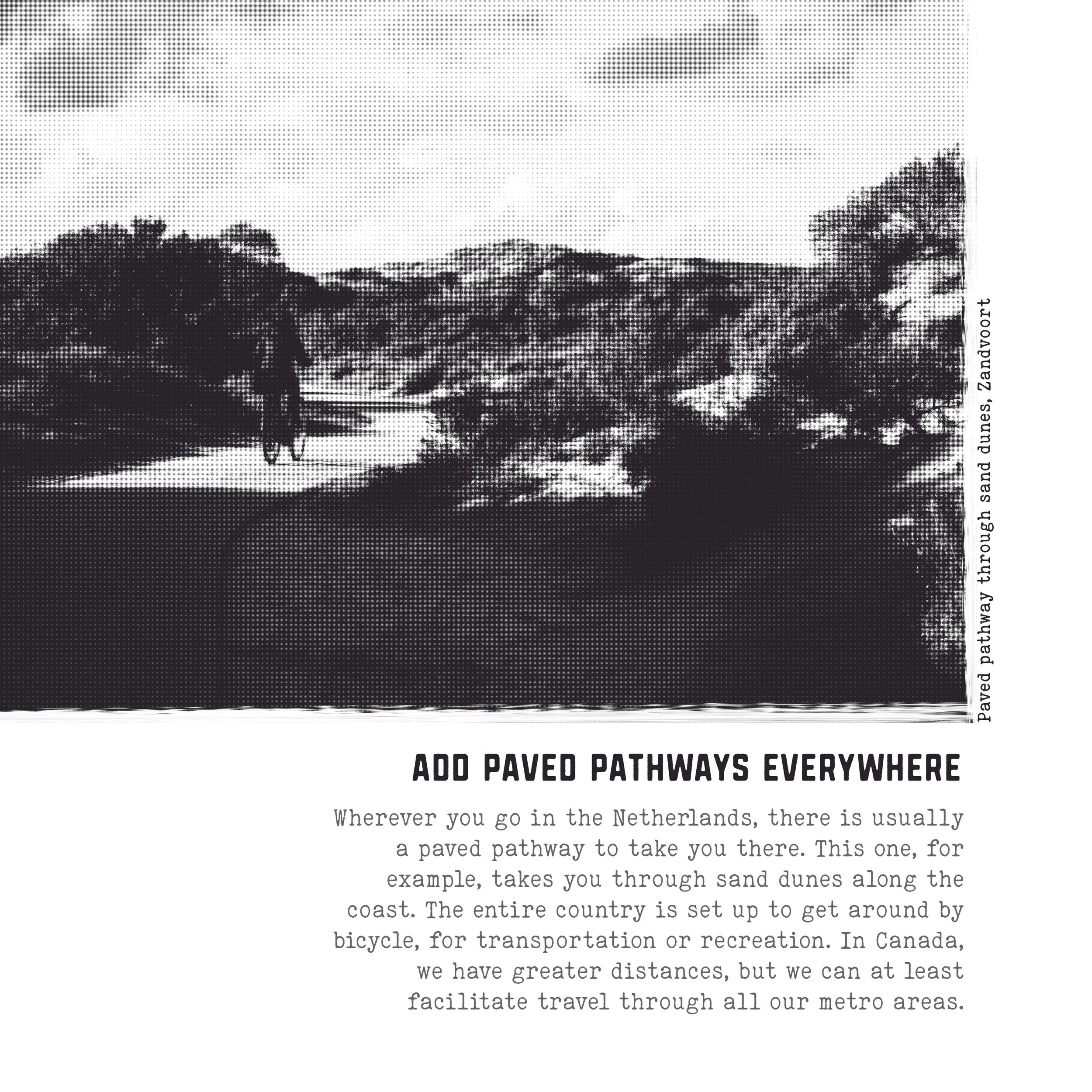
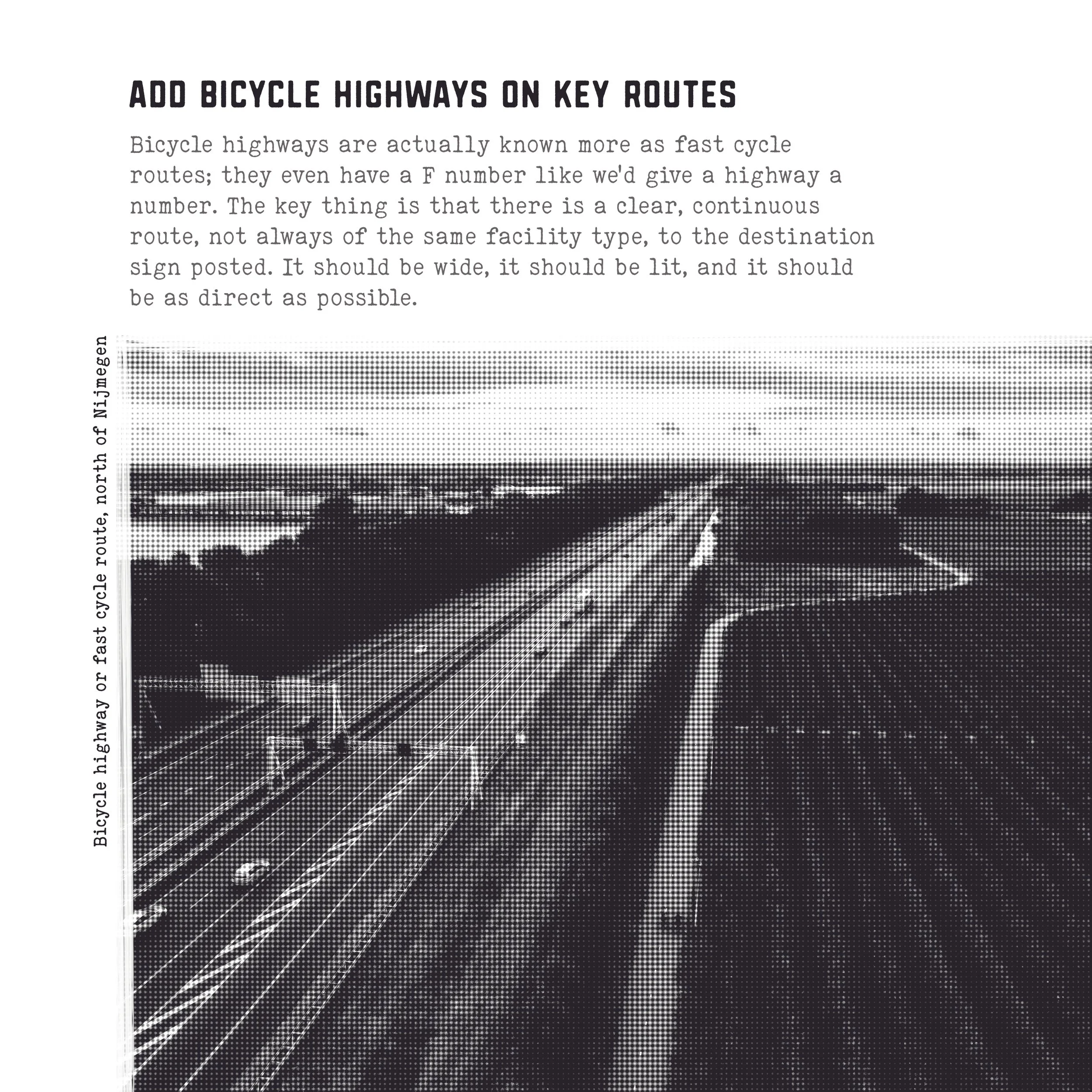
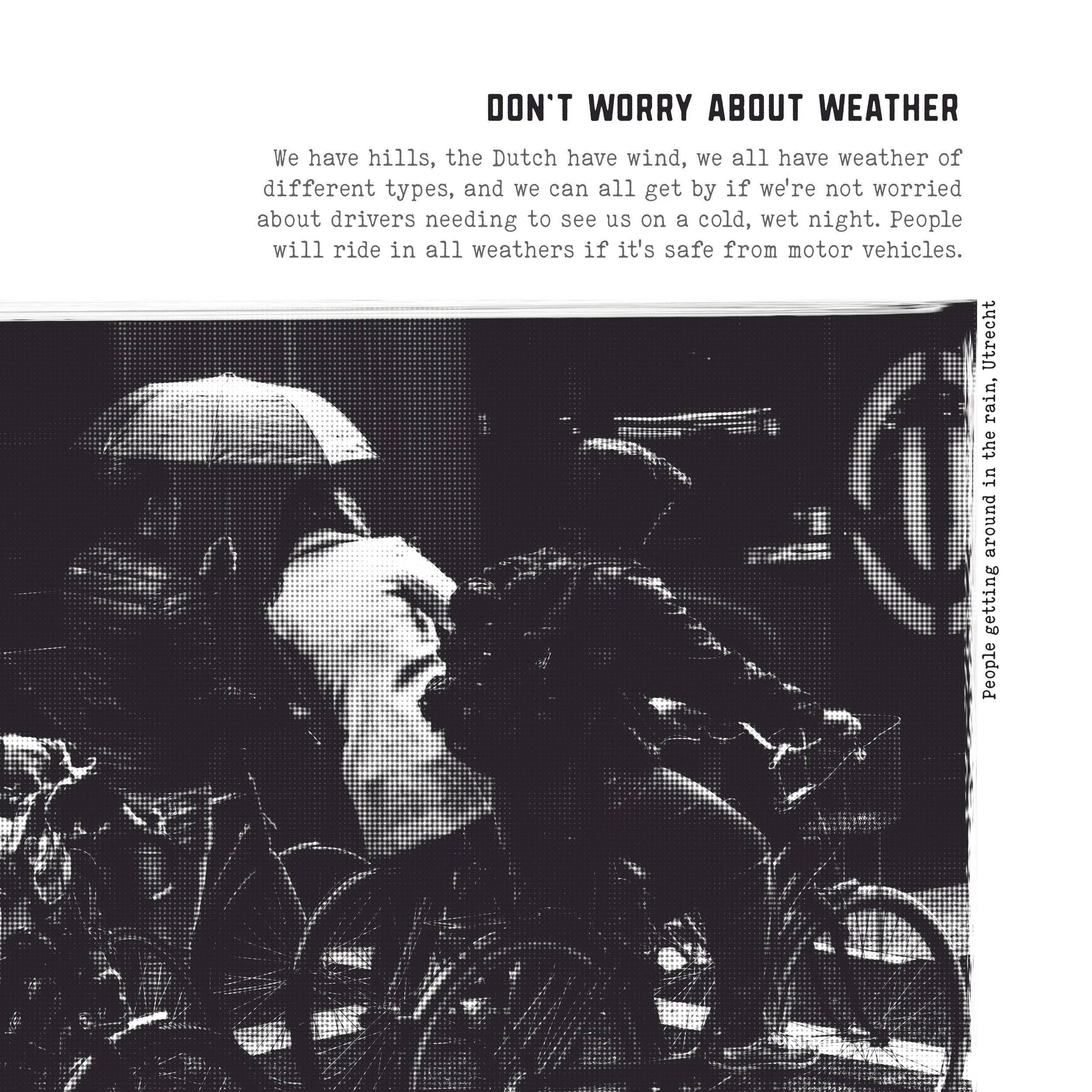
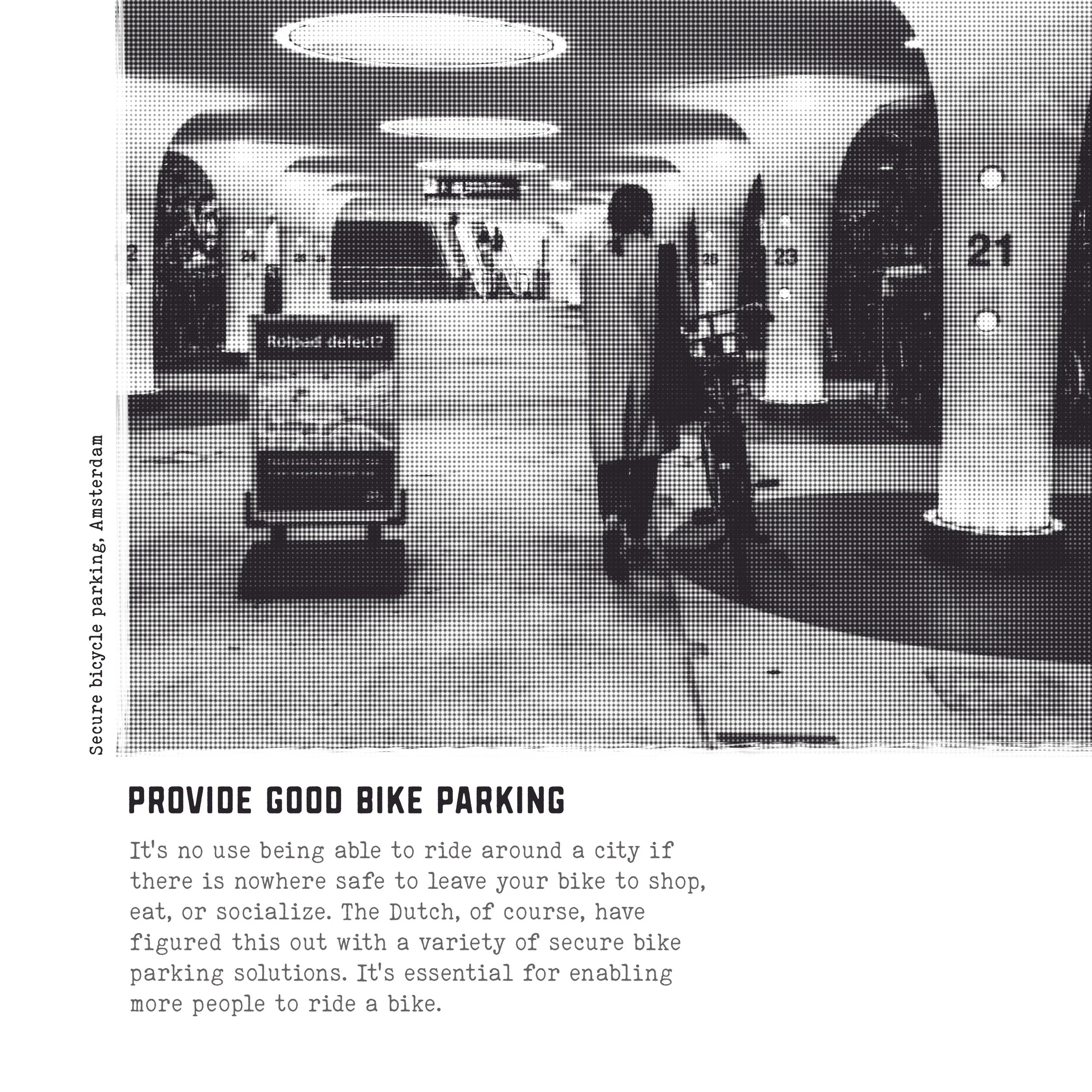
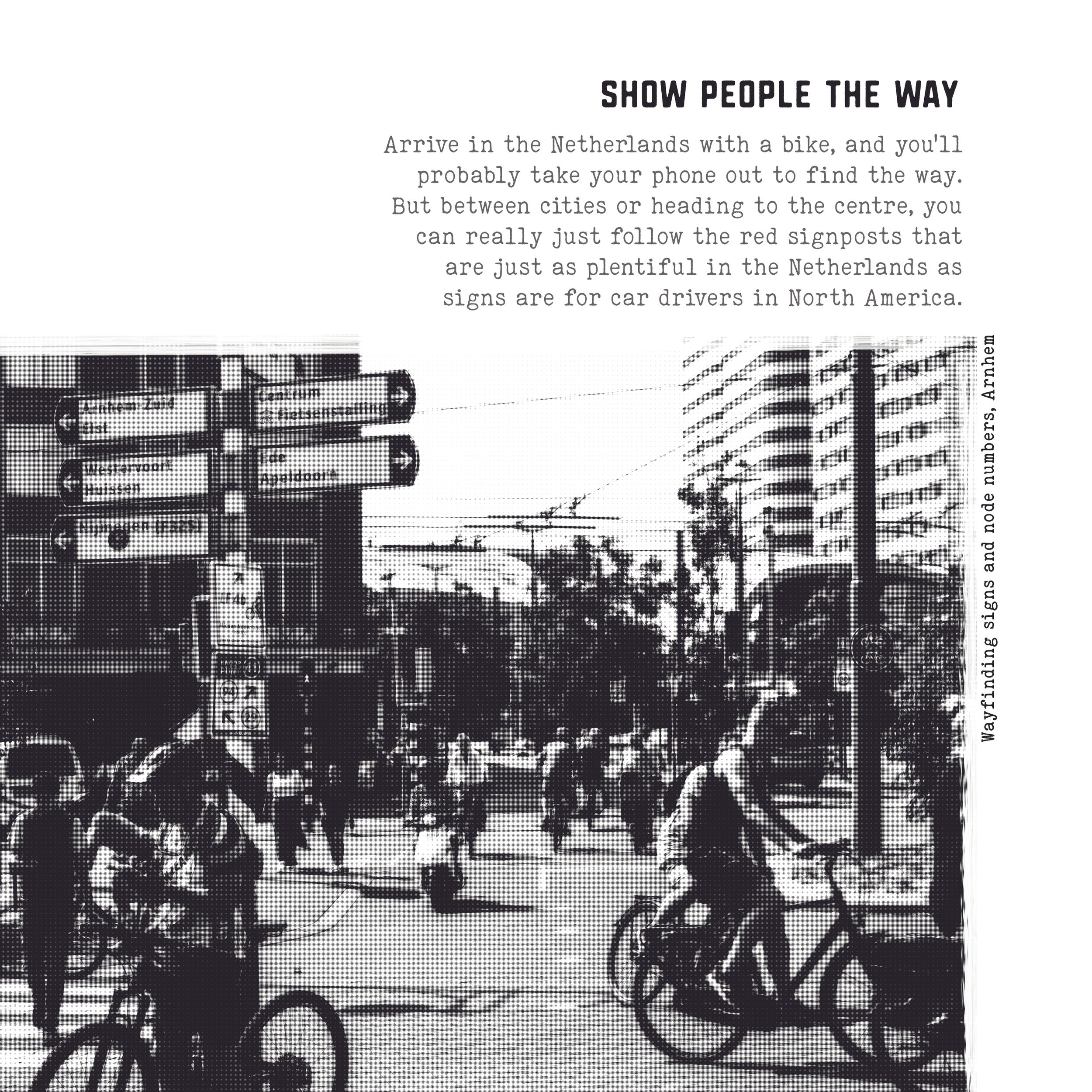
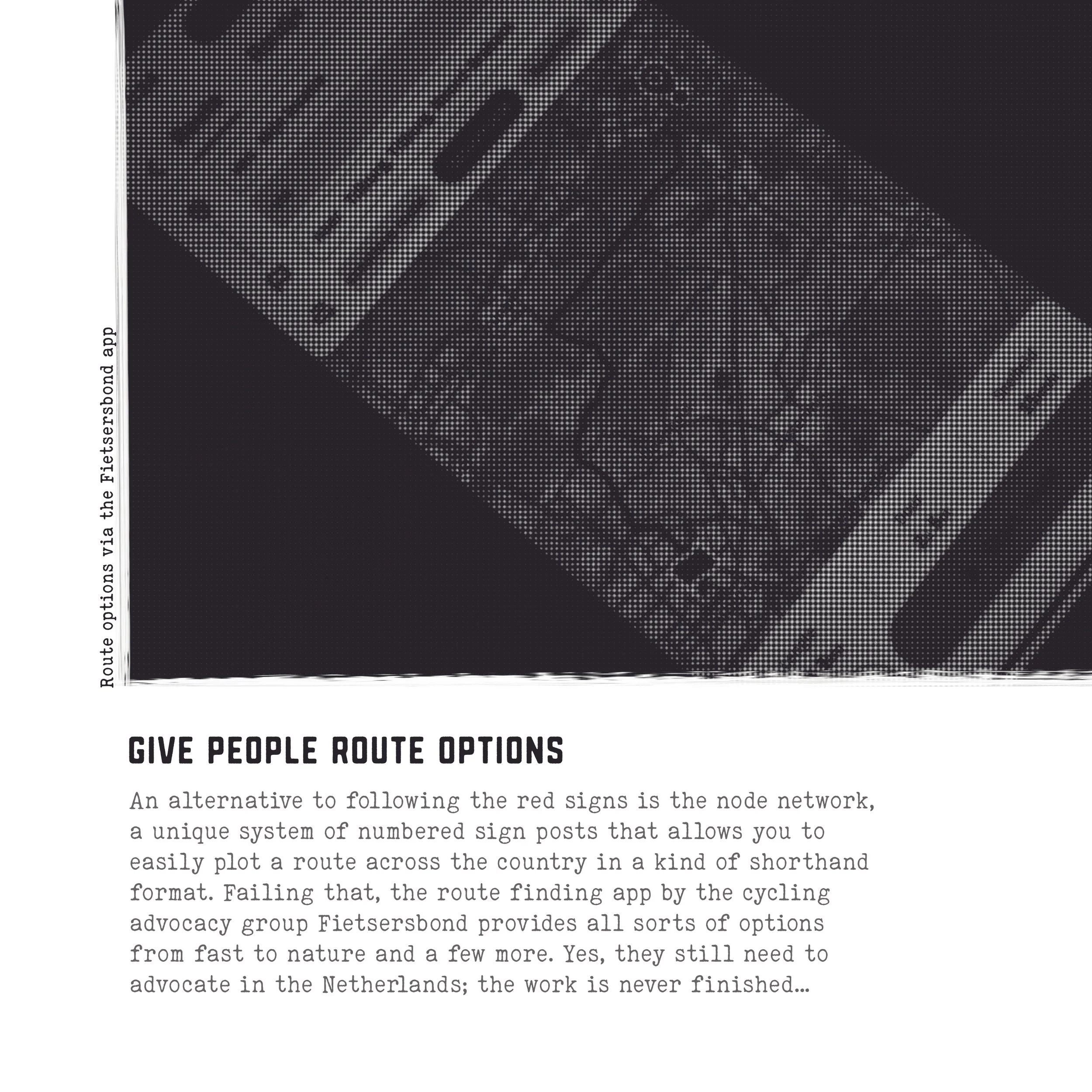
Lessons from the Dutch presents a brief overview of these findings in one concise little booklet (or zine), aiming to increase awareness of Dutch design techniques and inspire their implementation in Canada… As we work to prevent serious injuries and fatalities while enhancing the comfort and safety of those wishing to travel actively, we can always learn and innovate. Many of the concepts presented here are already being implemented in projects or explored through industry initiatives, with the aim of incorporating these proven techniques into future Canadian guidance. Hopefully you will consider how you could integrate some of these ideas on your next project in whatever capacity you can…
Want a Hard Copy of Lessons from the Dutch?
Hard copies of LFTD aren’t available for purchase like my other books, but I do usually have copies on hand should we meet in person... The Lessons are what’s important though and you can read those below… Just click to enlarge and scroll through… A v2 is in the works…


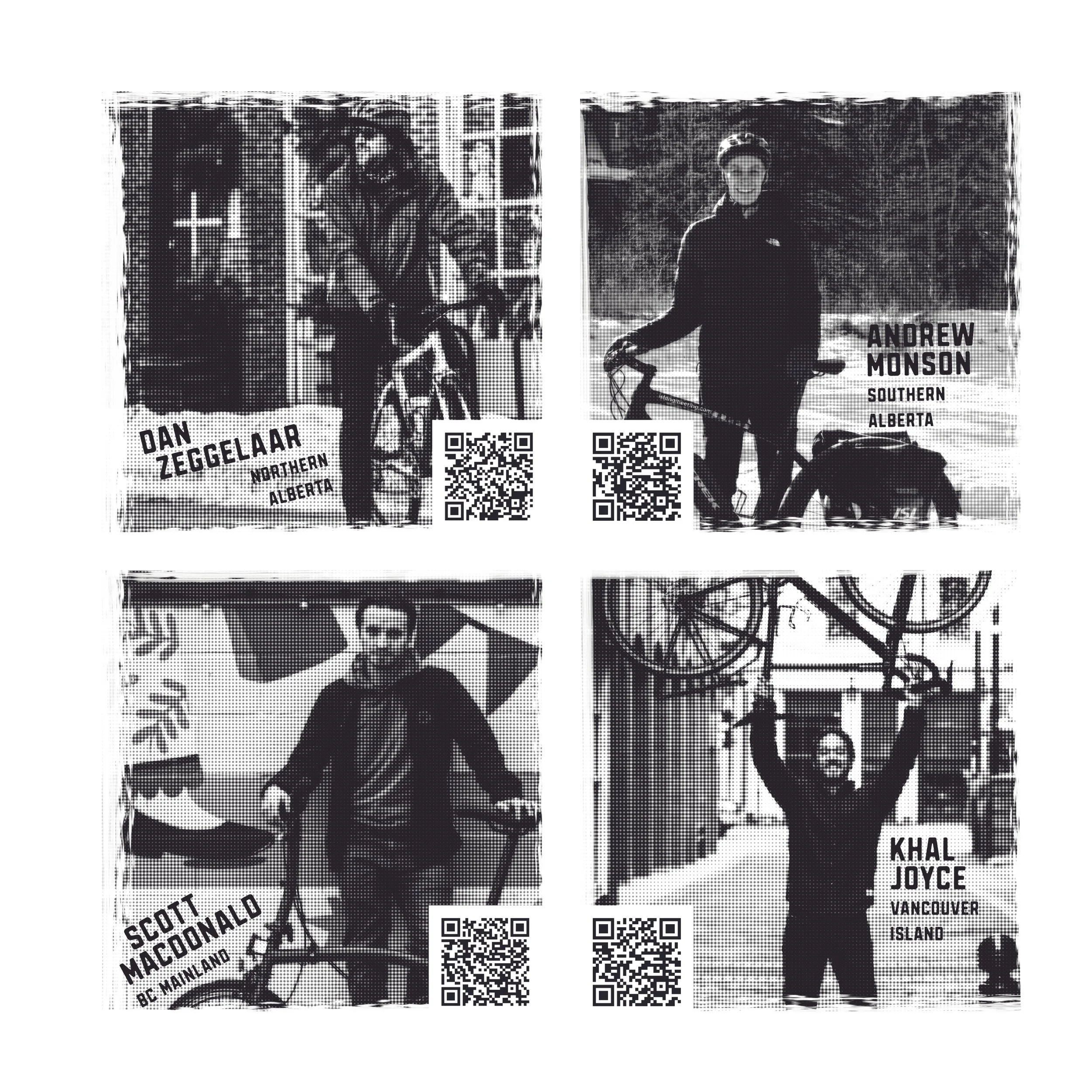
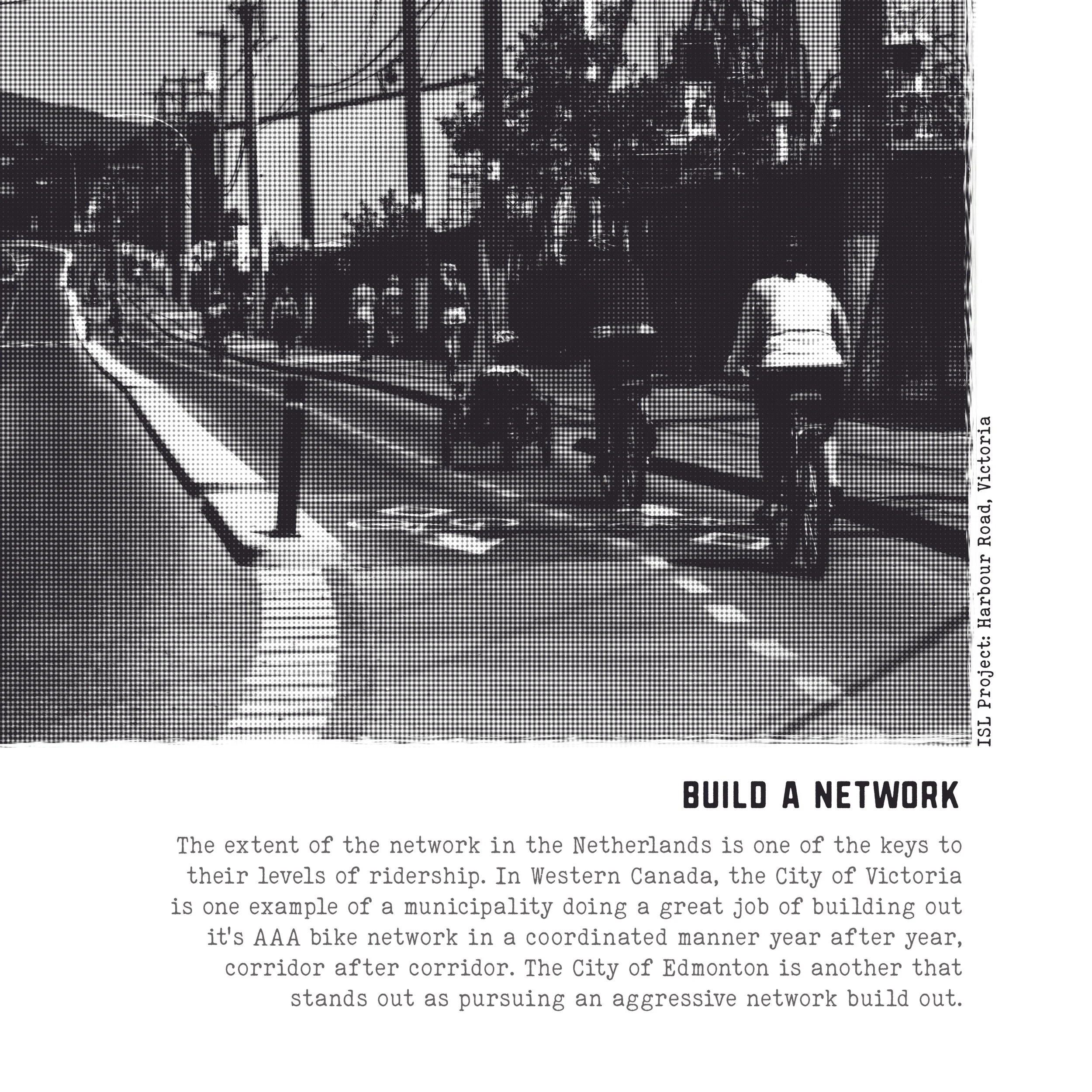

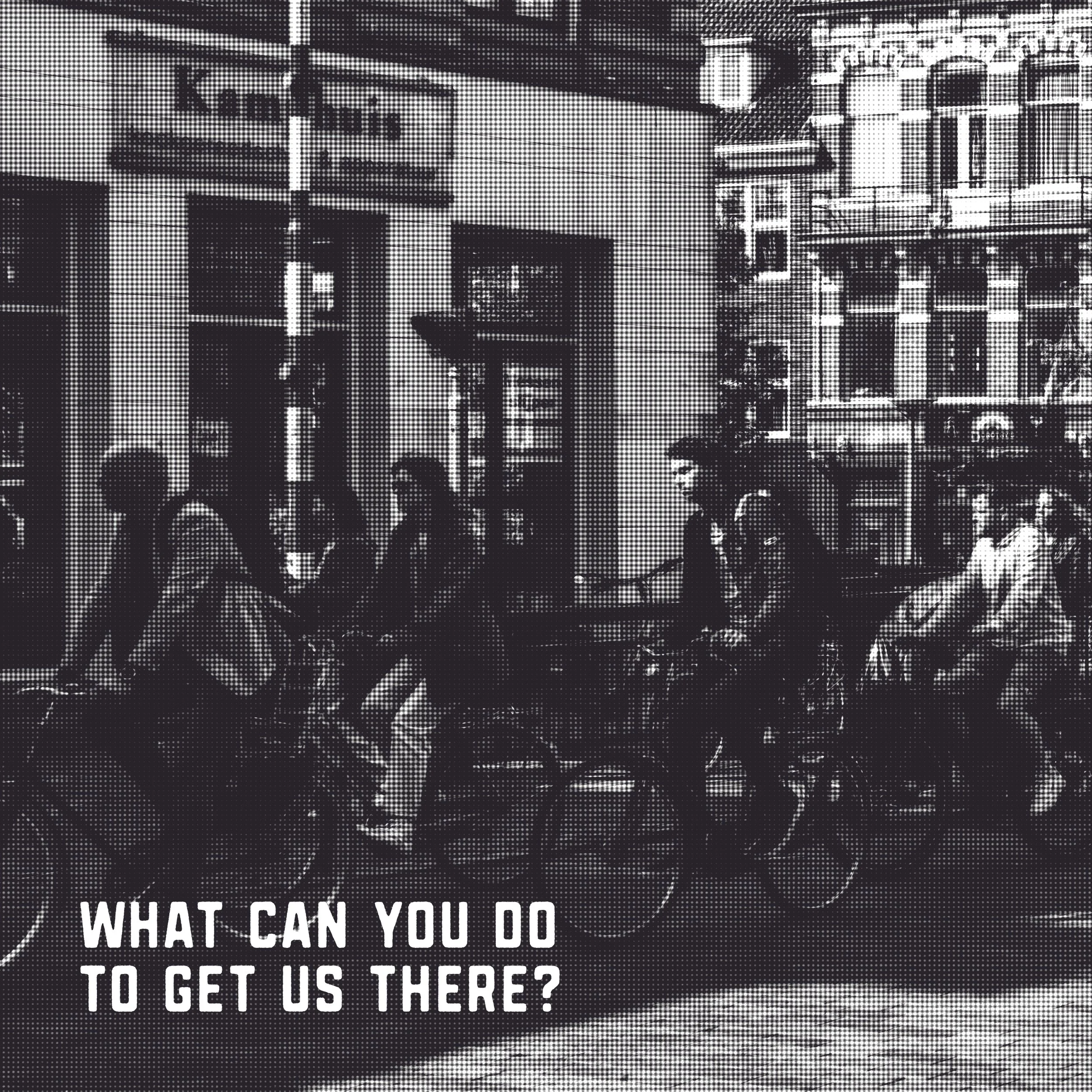
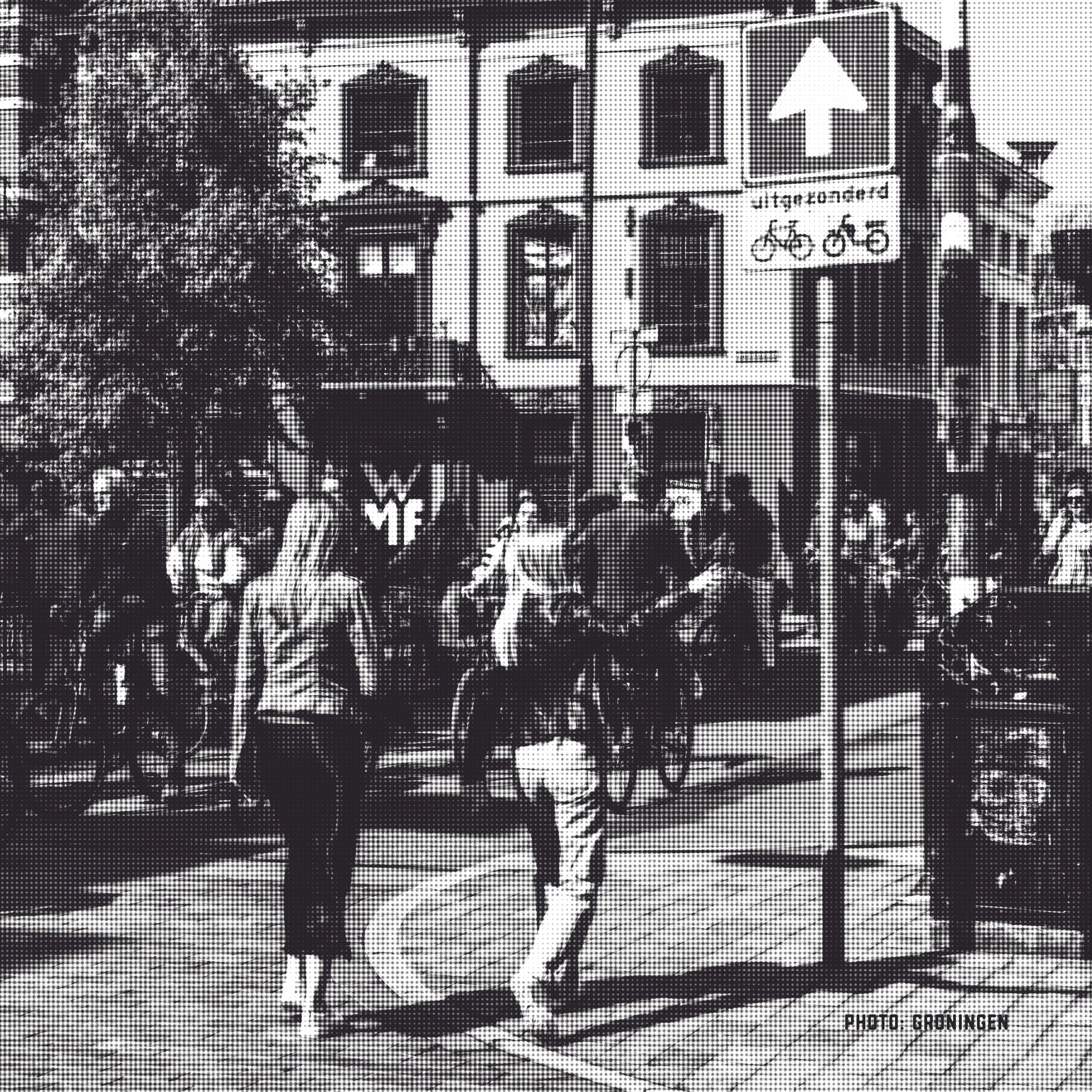

Want to Watch Lessons from the Dutch?
Building on the zine, I turned the lessons into a bingo sheet of sorts and played a game of #LFTDbingo with Nic Laporte when our paths crossed in Eindhoven… See how many LFTD’s we tick off in an hour or two below, and let us know if you can do better…
Download PDF versions of my other books for free
Free PDF versions of my books can be downloaded using the links below. The site will still ask you to go through the checkout process to get the download links, but won’t ask for payment details. Some people have asked if they can contribute something. There’s no obligation, but if you’d like to, I’ve added a donation page here that supports the running of this website and future content.
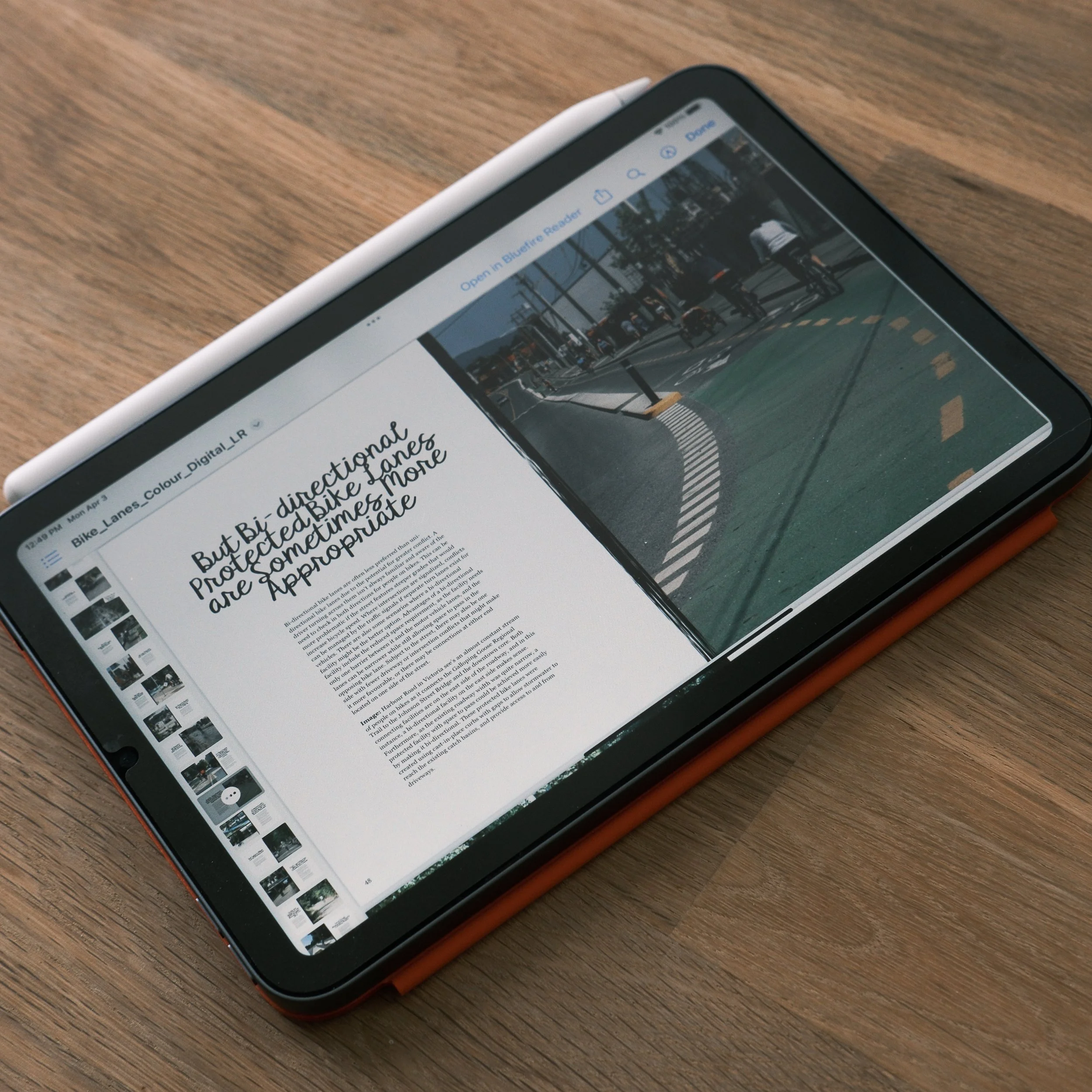
Protected bike lanes, they create so much controversy, yet provide so many benefits. When bike lanes were just paint lines at the side of the road, only the fearless used them. Then a few cities started separating and protecting the bike lanes from motor vehicle traffic, and as the network of protected lanes expanded, more and more poeple began to ride a bike, and more and more cities began to build protected bike lanes.
Bike Lanes is a bit different from most urban cycling books. Photographs are central to the book, with each conveying an important principle of bike lane planning or design. Each photograph is accompanied by a short narrative that stands on it’s own, or combines to form the larger narrative in the book. Some photographs feature bike lanes I’ve helped design as a Professional Engineer working in British Columbia, Canada. Some others helped tell the story. All are examples from the Lower Mainland and Vancouver Island in British Columbia. Hopefully you learn something and are inspired to plan, design, build, advocate for, or simply just try out some protected bike lanes for the first time.

Except Bicycles follows on from my previous book Bike Lanes, this time focussing on neighbourhood bikeways. A neighbourhood bikeway is generally a local street with low traffic volumes and speeds making it a safer route option than most. What makes it a neighbourhood bikeway though, are the design features that contribute to lowering those traffic volumes and speeds. There are many local streets that might be considered safe to ride a bicycle, but a neighbourhood bikeway will be a specially selected route considered to be an important corridor and part of a larger overall network, providing meaningful connections between other bike routes, origins and destinations. Neighbourhood bikeways provide an excellent opportunity to build some key parts of a network at relatively low cost and impact. Except Bicycles could best be described as a photo essay taking you on a journey through many examples of the typical features you will find along a neighbourhood bikeway.

fietspad, or bike path in English, documents a trip across many parts of the Netherlands in September 2022 to document it’s bicycle infrastructure. With only a loose plan in place, the intent was to just ride from city to city, stay the odd extra day in some and document what we saw. It wasn’t a trip just to see the highlights frequently shared on social media, although there are some.
The hope was to document the real bike infrastructure that people use every day, from big cities to smaller towns, urban to rural environments, the good and the bad. I took photos as we travelled and recorded my thoughts at the end of each day. The book wraps with things I’m interested in seeing done in the North American context.
Cities visited included Utrecht, Gouda, Delft, Rotterdam, Eindhoven, Nijmegan, Arnhem, Zwolle, Groningen, Amsterdam, and Zandvoort as well as many places between. fietspad shares what we encountered, providing approximately 400 pages of Dutch bicycle infrastructure.